
Marketing is the easy part. I say that knowing how much work goes into it, but once you understand the levers you can pull at a golf club you can move the numbers relatively quickly, because the demand is out there and the game is in good health and most clubs are still doing very little to go and find the people who would happily give them their money. Get the pricing right, get the tee sheet managed properly, get the messaging in front of the right people in the right catchment, run a membership campaign with some thought behind it and you will fill the diary. Green fee revenue will climb, membership will climb, the bank balance will look healthier by the end of the season and everybody will tell you what a great job you have done.
Then you have to keep them, which is where most clubs fall apart, because the visitor who came once because he saw an offer is not coming back for the offer, he is coming back for how the place made him feel and the new member who joined in March because your campaign was good is deciding in October whether to renew based on eleven months of small experiences that had nothing to do with your marketing at all. You can spend a fortune bringing people through the front door and lose every one of them in the first hour they spend with you. That is why the product matters more than the promotion, and by product I mean the golf course and the clubhouse together, because the golfer does not separate the two in his head the way we do in ours.
I visited a club in south Manchester a couple of weeks ago and I had to open the curtains myself. The clubhouse was unlocked, so I walked into the bar area in total darkness, found the lights, opened up the curtains and sat down. For the first two hours of that morning I answered questions from visitors who had paid to be there. Where is the first tee. Is there a practice ground. Where do I sign in. Can I get a coffee. None of those people had any idea I did not work there, because there was nobody else visible who looked like they did. There were four members of staff in that clubhouse during the time I was there and I could hear three of them complaining about the place, about the members they had to deal with, about board members who spoke to them inappropriately. They were not warm, they were not welcoming, they did not go looking for the visitors who were clearly lost and I do not blame a single one of them for it.
It’s easy to say the staff were poor and the manager needs to have a word, when what I actually watched that morning was the end result of a leadership failure that had been running for years. If you do not lead your team, if you do not protect your team, if you allow a board member or a committee member to speak to a nineteen year old behind the bar in a way you would never tolerate in any other business, then you have already decided what your customer experience is going to be and no amount of training or mystery shopping is going to fix it. People give out what they are given. A team that feels undermined every time they come to work will give you exactly the atmosphere I sat in that morning and the visitors will feel it before they have finished their first coffee, assuming anybody offers them one.
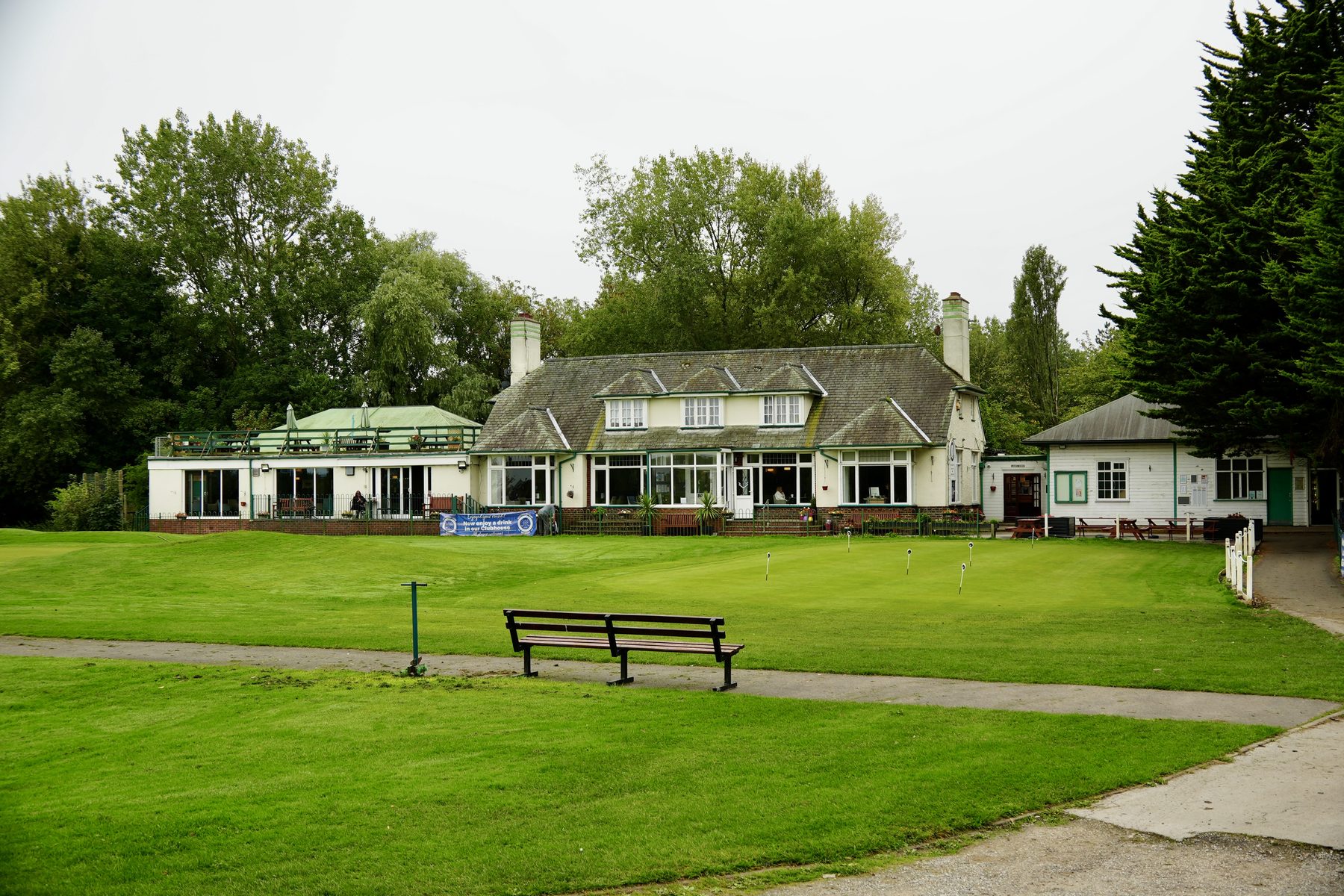
The standard of customer service I have witnessed in golf is poor and I do not think that is controversial to anybody who has played a few away days recently. It is not poor because the people are poor. It is poor because our industry has spent decades treating the clubhouse team as an overhead rather than as the single biggest influence on whether a visitor comes back and because too many clubs have a culture where the loudest voices in the room are the ones with the least accountability. That is why when we go into a club and invest in a modern, welcoming clubhouse, the building work and the culture work happen at the same time, as one job rather than two. A beautiful room full of unhappy people is worth nothing. We look after our team first, we are clear about what we expect, we back them when somebody is out of order with them and then they can go and deliver the thing we actually train them on, which is simple enough to put on one line. Warm welcome, deliver value, be kind. That is it. You cannot ask anybody to do that while they are being treated badly by the people above them.
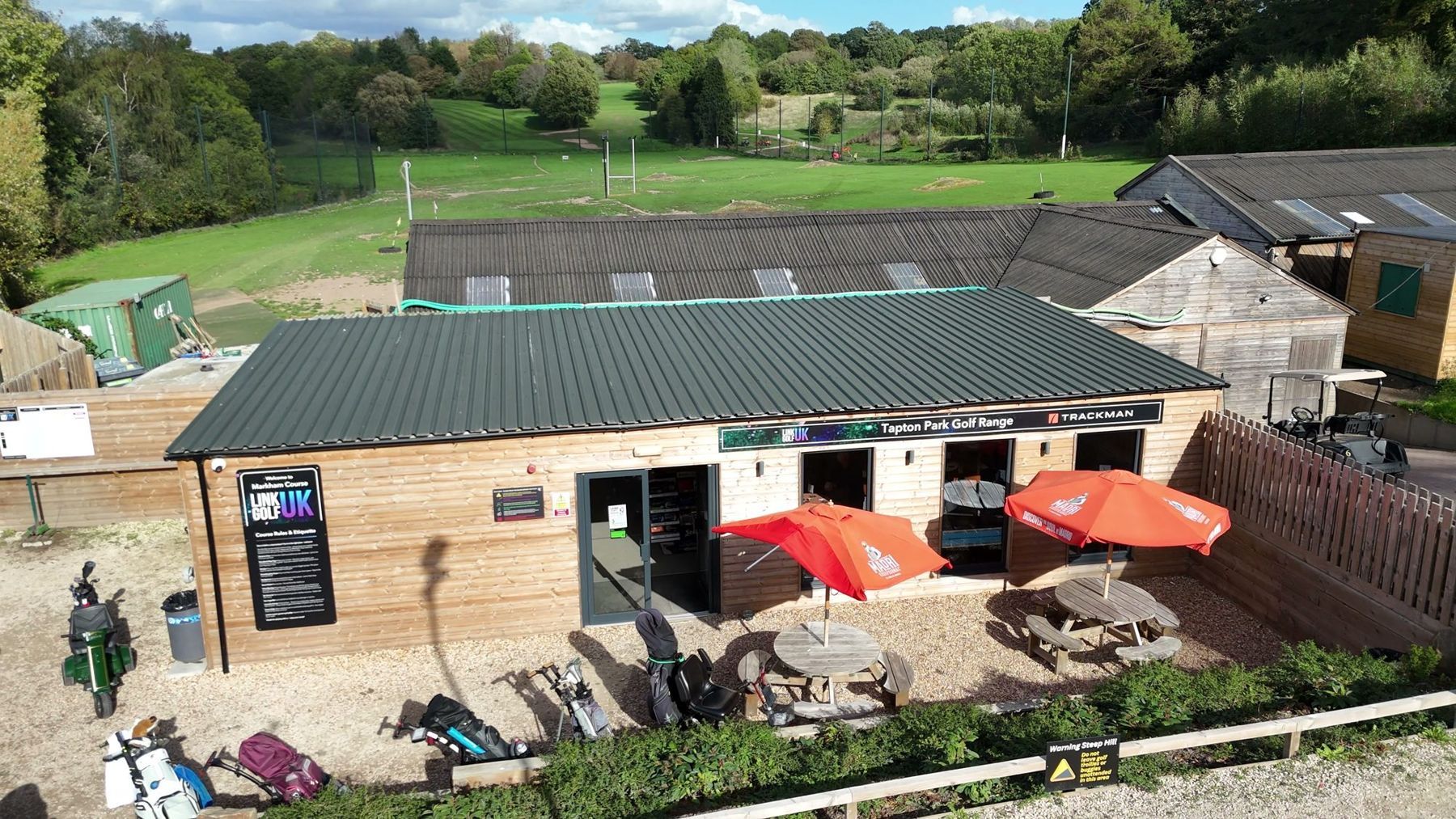
The same principle applies to members, which is what a lot of the work with Link Club comes down to. Members are the people who have kept these clubs alive and when you hear a group in the corner picking apart the greens or the pace of play or the last committee decision, what you are actually listening to is a room full of people who care enormously about a place they have given decades to and have never been given a proper route to say so. Nobody complains about something they are indifferent to. So we give members direct access to the team rather than asking them to write a letter and wait three months for a committee to read it out. Tell us what is wrong and we will listen properly, act on it where we can and where we take a different view we will sit down and explain why, because a decision that arrives with a reason behind it is a completely different thing to one that lands on you out of nowhere. A member who feels genuinely heard will give you the benefit of the doubt on an enormous amount, including the things we get wrong and over a project this size there will always be things we get wrong.
Alongside that we communicate constantly, by email and on social, telling the story of the club day in day out. Here is what the greenkeeping team did this week. Here is what the machinery investment means for the greens in eighteen months. Here is what the clubhouse will look like when the work is finished, here is when it starts, here is what will be disrupted while it happens. Being open and honest about the work is not a communications tactic, it is how you turn a membership from an audience that things are done to into a group of people who understand the plan and want it to succeed, which changes the atmosphere in the building far more than any refurbishment does.
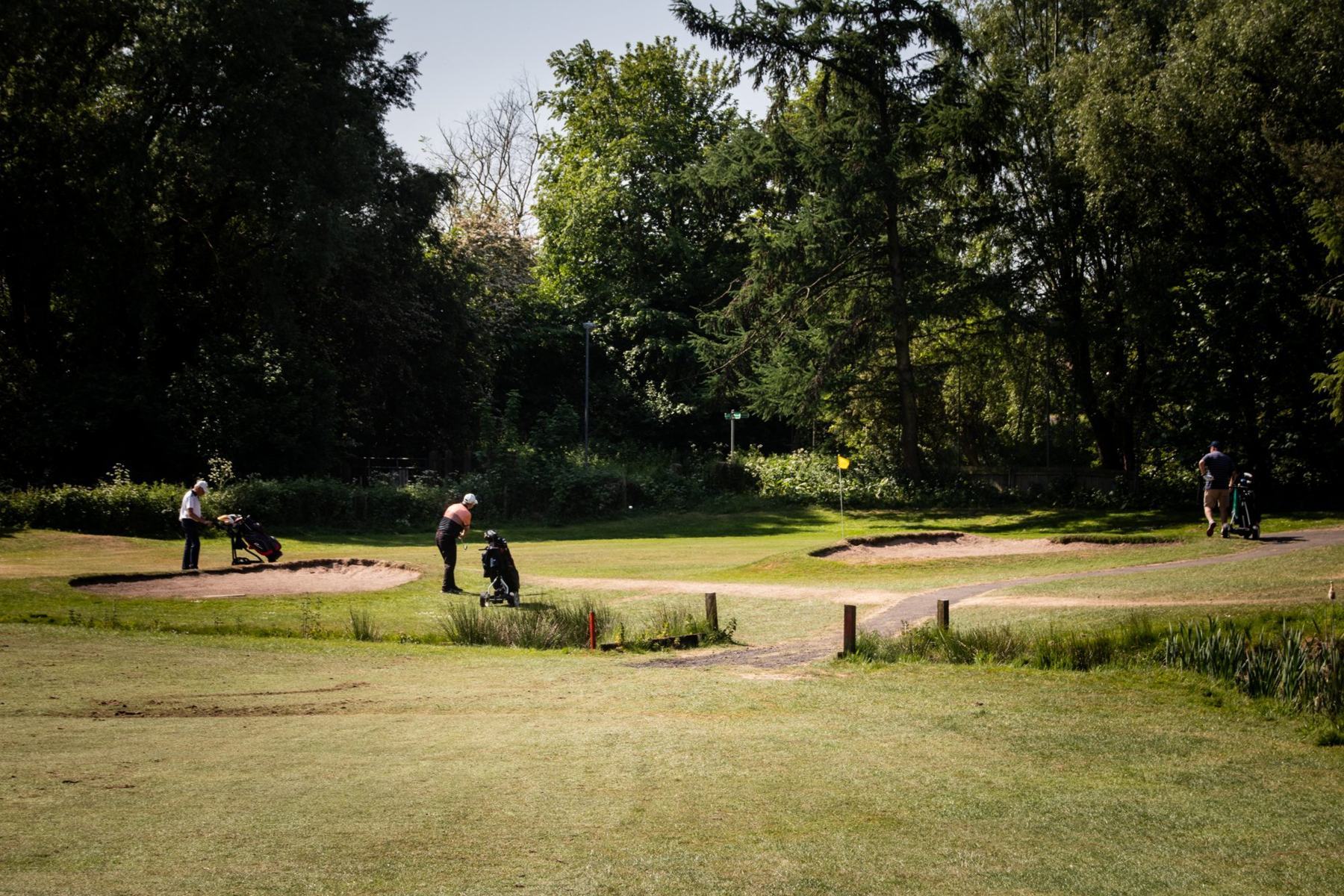
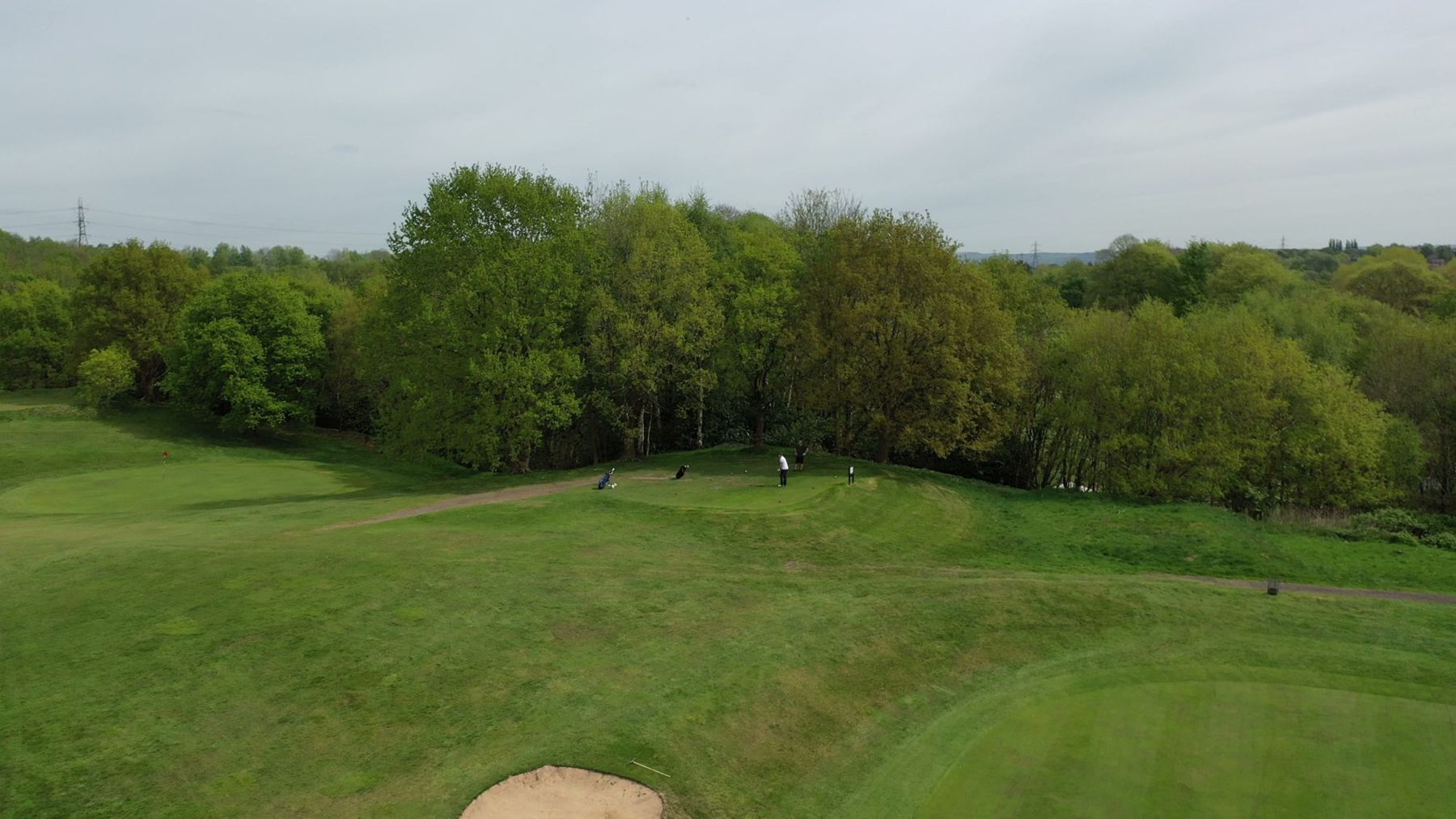
Turning a golf club around has a lot of moving parts and I would never pretend otherwise, but when I strip it back there are four things we pull on. The course, because nothing else survives a bad golf course for long. The facilities, because the building either tells people they are welcome or it tells them nobody has cared for a while. The customer experience, which is really just the culture of the team made visible to a stranger. The member culture, which is the thing that either sells your club to every visitor who walks through the door or quietly poisons it. Get those four moving in the same direction and the marketing starts doing something worth doing, because you are no longer buying visits, you are building a place people want to come back to.
Anybody can fill a tee sheet for a season. Creating the environment is the actual job.