

When I wrote last time about whether a golf club really needs a PGA professional, I expected a handful of comments and perhaps the odd disagreement, but I didn't expect quite so many people to get in touch, with messages from club managers, secretaries, committee members and plenty of professionals themselves, nearly all of them with a view and most of them with a story to go with it.
What struck me most was how much agreement there was. The majority of members and boards who got in touch recognise exactly what a good professional brings to a club, from the lessons and the junior coaching to the custom fitting, the competitions and the simple fact that there is a familiar face in the shop who knows every member by name and knows their game almost as well as they do. Very few people argued that a club is better off without one, at least not in principle.
Where the conversation got more interesting was with the clubs that have already gone down that road, because in almost every case the decision didn't come from a spreadsheet, it came from a bad experience. I heard about professionals who had been at a club too long, who stopped running junior sessions, who opened late and closed early, who let the stock go stale. By the end of it the committee felt they were paying someone to stand behind a counter and very little else, so I understand completely why a club in that position decides it has had enough, even if, as the last article showed, the alternative often costs far more than anyone realises.
The question I keep coming back to is whether the problem in those clubs was ever really the professional or whether it was the model the professional was being asked to work within. That question is where our thinking at Link Club has taken us over the last few months.
The traditional arrangement asks a great deal of one person. The professional is expected to be a coach, a club fitter, a retailer, a buyer, a stock controller, an employer and a shopkeeper all at once, usually while paying their own assistants to staff the shop for long hours on thin margins, which means a large part of what they earn from lessons and fitting quietly disappears into wages just to keep the doors open. It is hardly surprising that some professionals end up spending most of their week behind the till rather than out on the range doing the things they trained for and the things members actually want from them.
Our model turns that around. Under Link Club, we employ and pay the staff who operate the club day to day, including the people at reception and we sell the professional's golf consumables on their behalf, so the professional no longer carries the cost of staffing a shop that was eating into their income. We continue to pay the pro a retainer. What that frees up is time, which is the one thing a good professional never has enough of, whether it goes into lessons, custom fitting, junior and beginner programmes, coaching clinics, playing with members or building the kind of relationships that bring new golfers into a club and keep existing ones there for years.
Not everyone has welcomed it. Some of the professionals we have discussed the model with have pushed back and I want to be fair to them because some of their concerns are perfectly reasonable.
That said, I have also had to ask myself an uncomfortable question about some of the resistance, which is whether a professional who isn't particularly proactive might simply be comfortable sat in the pro shop. The counter can be a safe place to spend a week. It fills the day, it feels like work and nobody can say you weren't there, whereas a model that takes the shop off your hands and asks you to fill your diary with lessons, fittings and coaching exposes very quickly who is out there building something and who isn't. I don't say that to criticise every professional who has questioned us, because plenty have done so for good reasons, but I would be lying if I said it hadn't crossed my mind more than once.
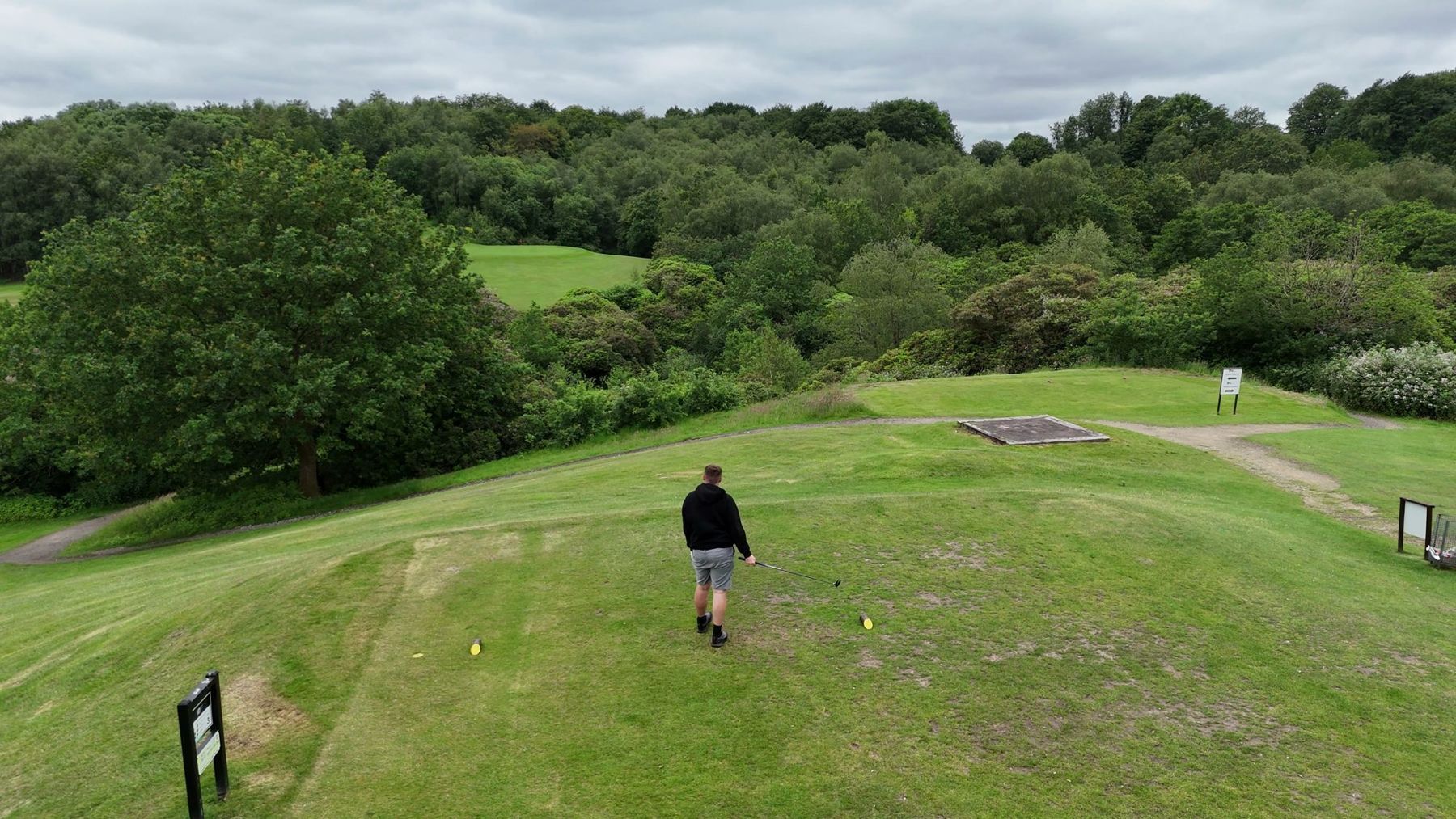
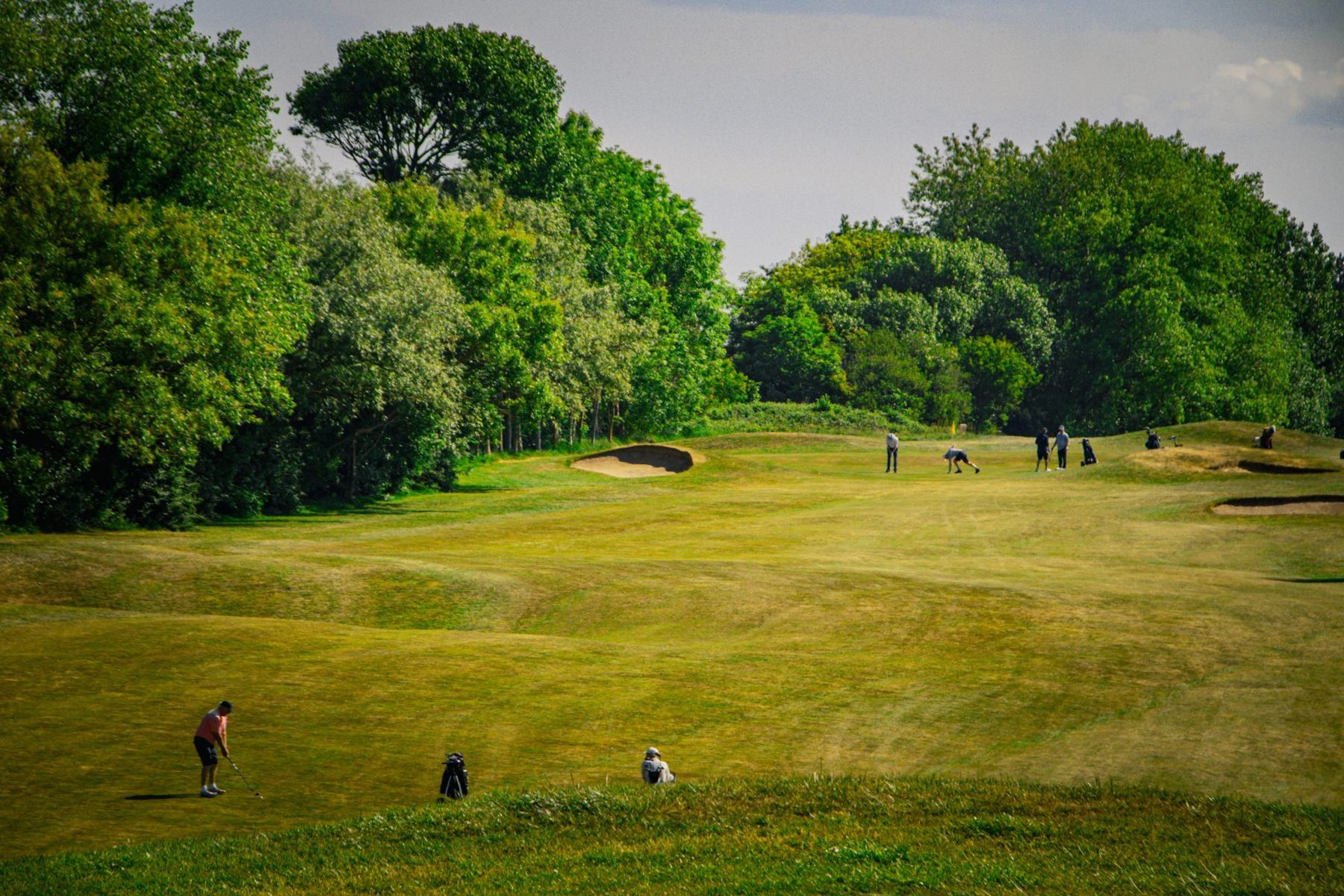
The professionals we want to work with are the ones who read all of this and feel excited rather than threatened. We want proactive golf professionals who want to achieve big things, who see the club and the wider community as their opportunity, who want juniors queuing up for their coaching, members booking fittings weeks in advance and a reputation that reaches well beyond the boundary of the course. For that kind of professional, taking away the cost of staffing the shop and putting real support around them isn't a threat to their income, it is the chance to take their earnings to a level the old model was never going to allow.
So, to come back to the question I asked last week, does a golf club need a PGA professional? I am more convinced than ever that it does, but I think the clubs that get the most from one in the years ahead will be the ones that stop asking their professional to be a shopkeeper and start backing them to be what they trained to be. If you are a professional who wants to make a real impact on your club and the community around it, I would genuinely love to hear from you.