
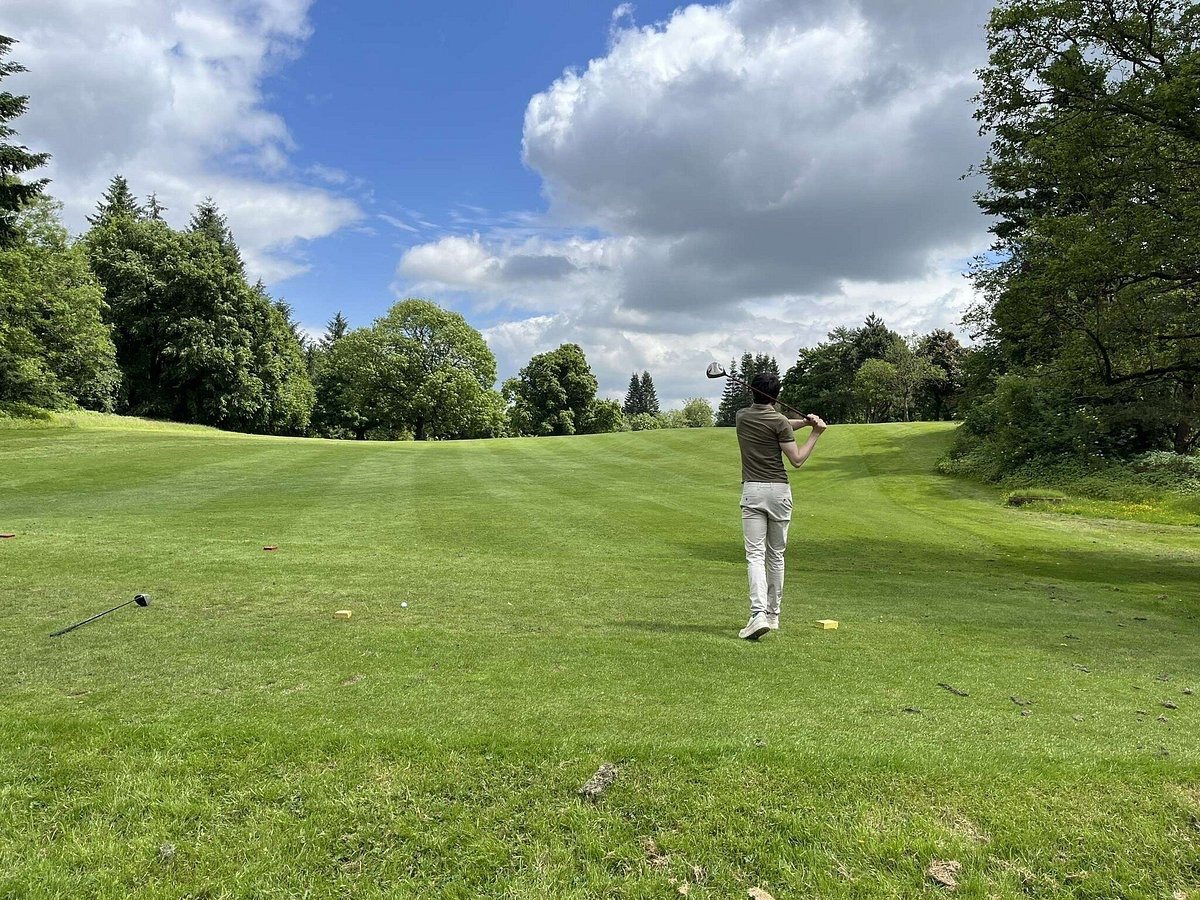
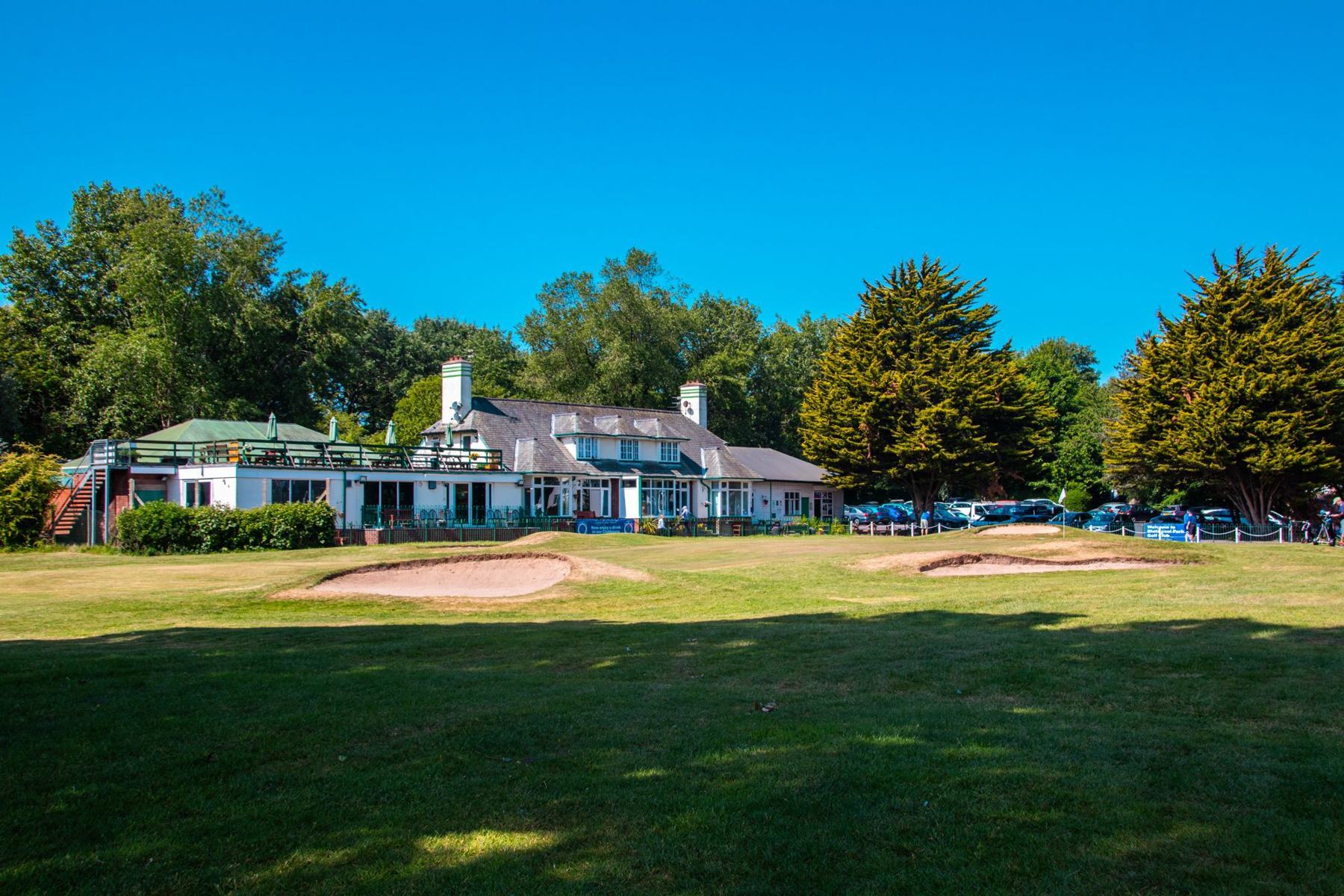
We have now had the official green light from four golf club boards to progress with Link Club, which is four sets of people who have sat in a room, looked at what we are proposing, asked the hard questions and decided that the future of their club is worth doing something about. We are working through heads of terms with our team at the moment, finalising the detail and every single club is different because the constitution of each one dictates what the board can and cannot do on its own. Some boards have the authority to sign, some have to take it to the membership and next month we move towards our first member vote, which is genuinely one of the moments I have been looking forward to most since we started this.
We said from the beginning that this first phase would be five clubs and no more. That was a deliberate decision rather than a limitation, because the whole point of what we are building is depth of support and five is the number where we know our team can be in those clubhouses, on those courses, and in front of those members properly. It has forced us into some difficult conversations over the last couple of weeks about where we can genuinely add the most value. Saying no to a club that wants to work with you is not a comfortable thing to do when you believe in what you are offering.
We have taken our time and we think we have found the right one. A sleeping giant.
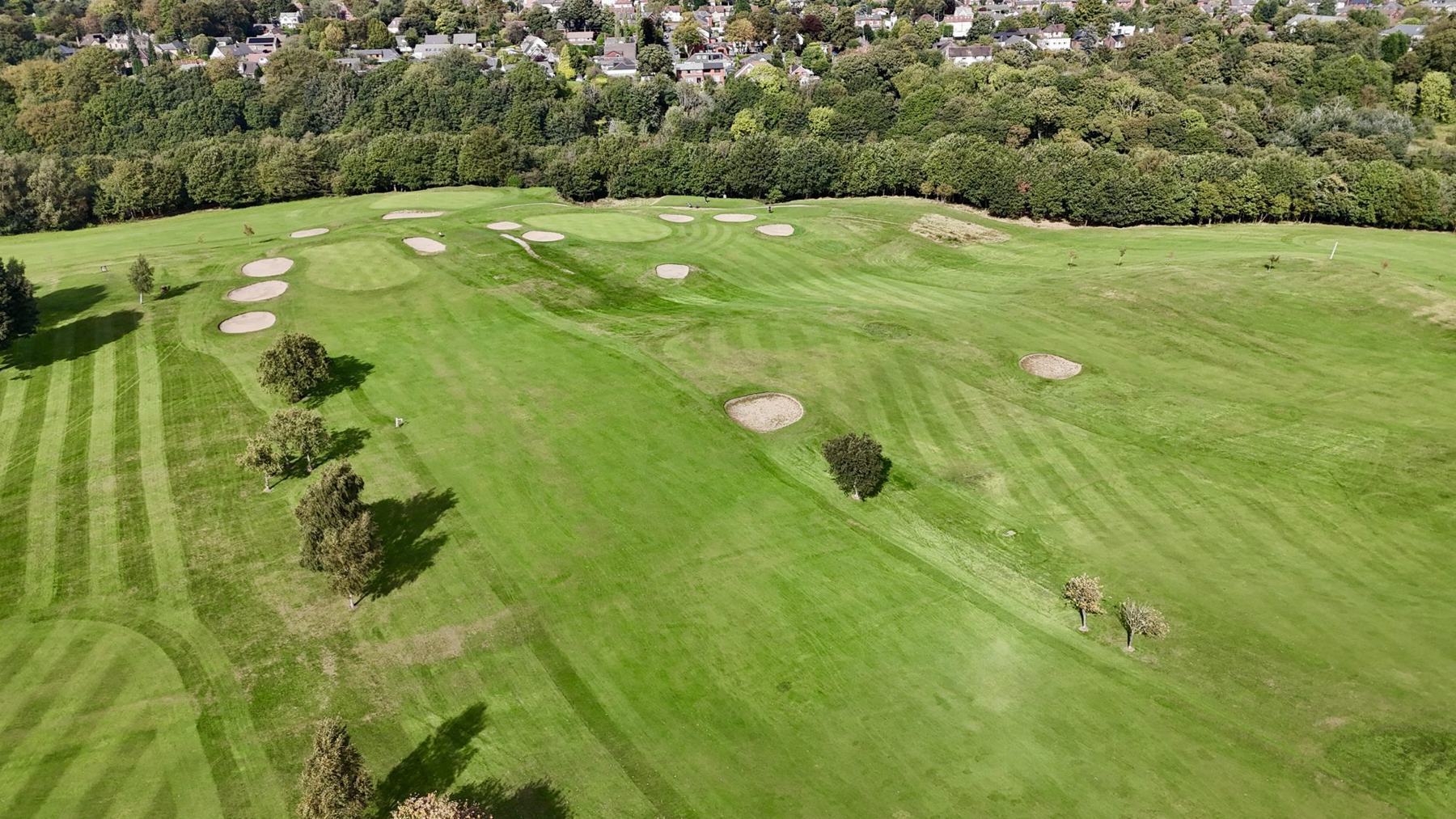
To explain what we mean by that we have to go back to 2019 and to Marland. On paper Marland looked like a terrible idea. It was losing a large amount of money every year, the numbers told a story that any sensible person would have walked away from and plenty of sensible people had already walked away from it. What the numbers did not show was what Marland had been. I knew that course because I learned to play on it, as did most people who grew up in that part of Heywood and Rochdale. We knew the reputation it once had, the place it once held in the local market and the affection people still carried for it even while they had stopped going. When we looked at the previous track record rather than just the current position, the path back looked clear to us. That does not mean it was easy, because it was one of the hardest things we have done, but the point is that the risk on paper and the risk in reality were two very different things once you understood the history of the place.
We are having a lot of conversations with clubs at the moment and the pattern that keeps emerging is that our value is highest at clubs that were once great. Not clubs that have never worked, not clubs in the wrong location with the wrong land, but clubs that at some point in the recent past had strong membership numbers, healthy green fee revenue, regular society income and a reputation that meant something in the area. Something happened along the way, usually not one dramatic thing but a slow accumulation of deferred decisions and the club drifted. The members who stayed know exactly what it used to be, which is both the frustration and the opportunity.
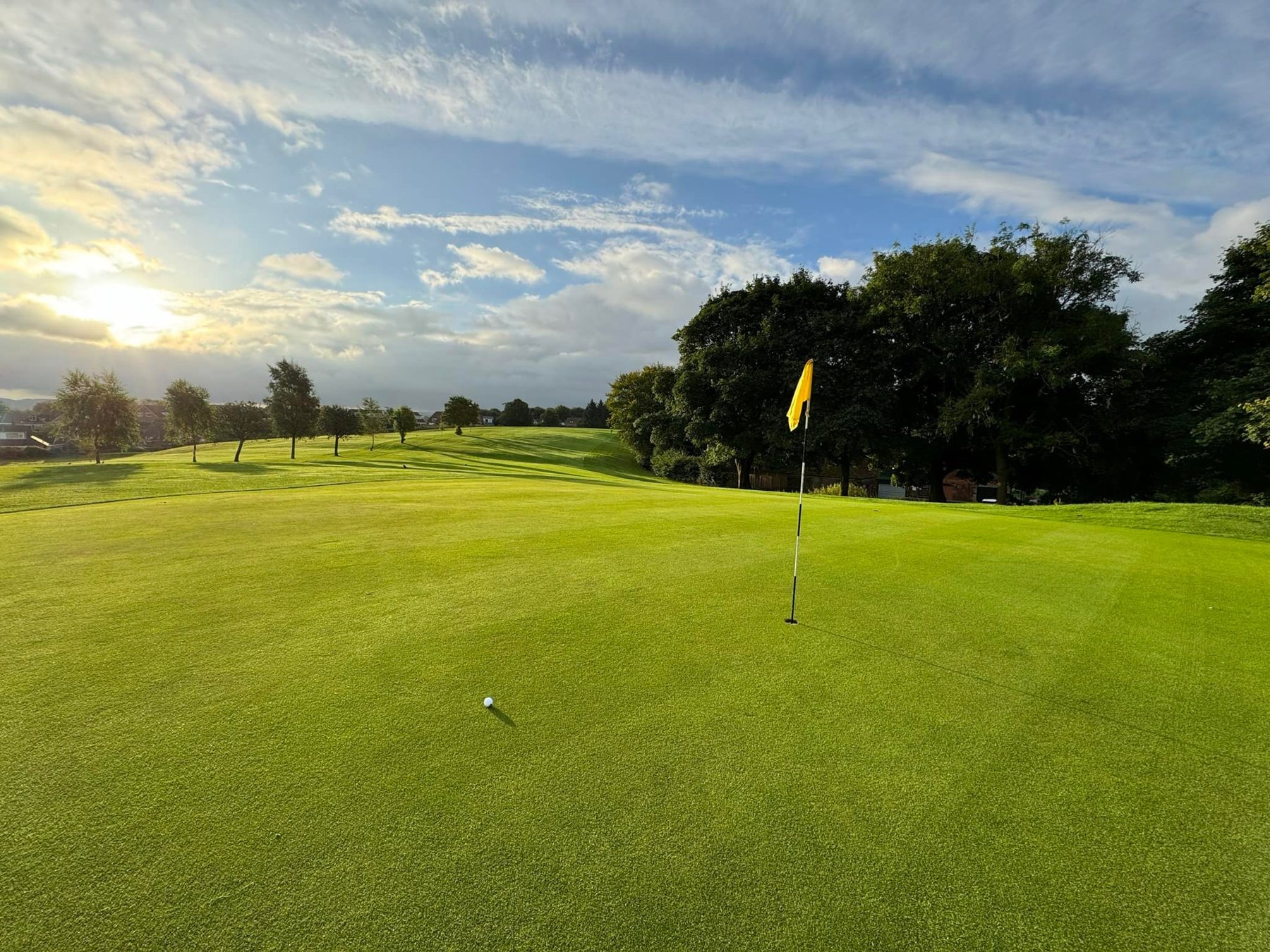
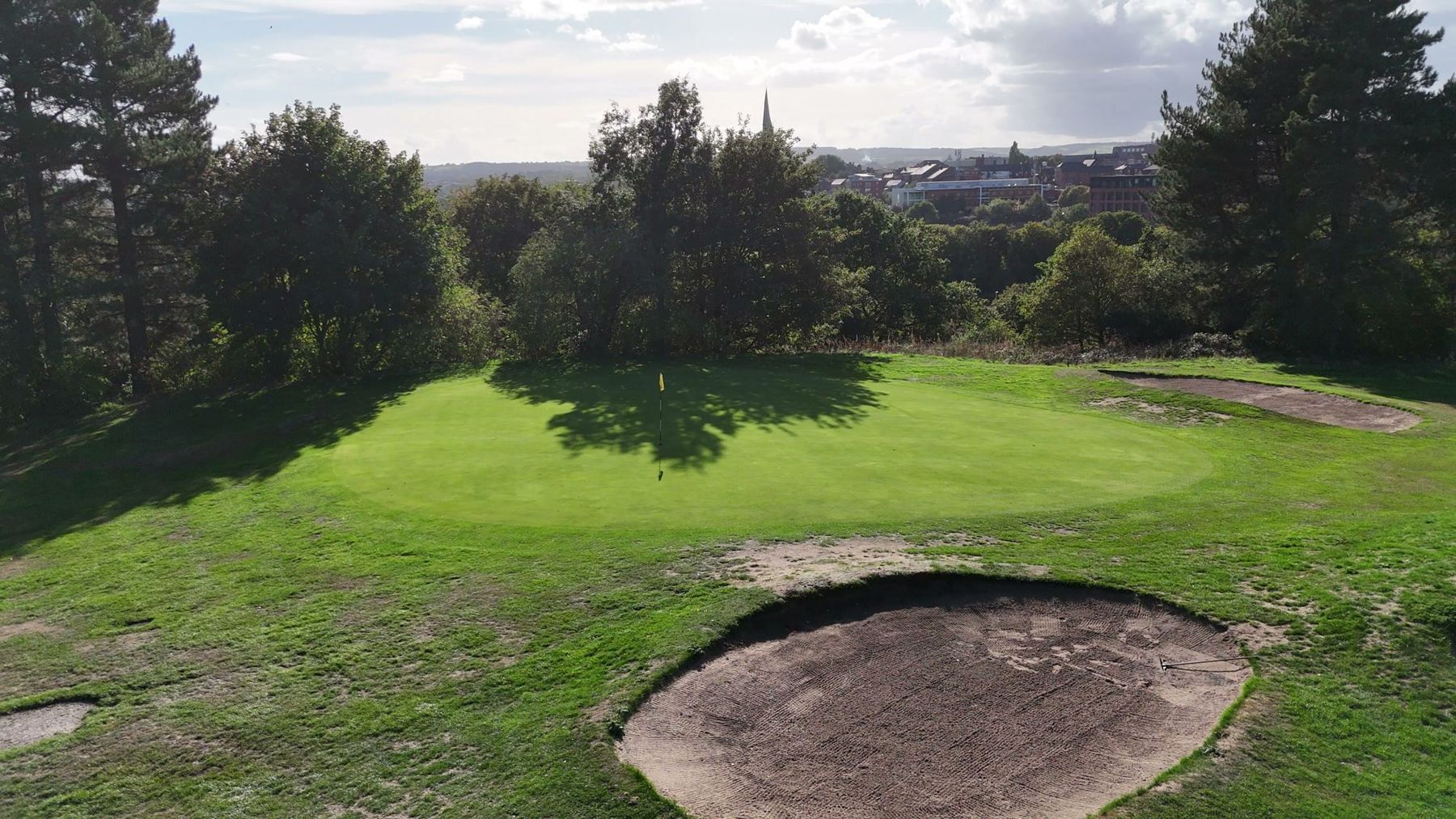
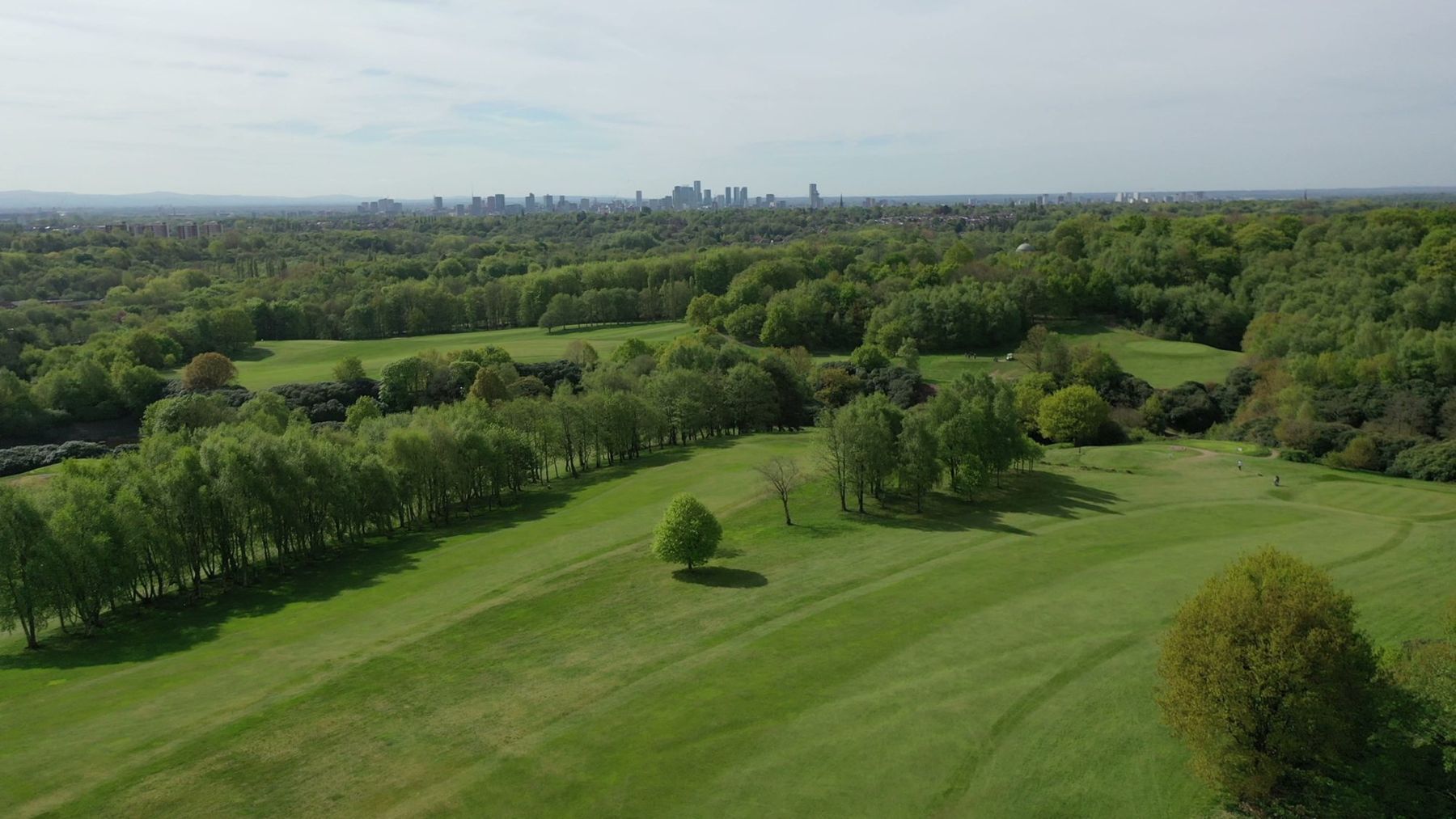
So when we talk internally about a sleeping giant we are looking for a specific set of things. A great course layout, because you cannot manufacture good land and if the bones of the golf course are right then everything else is fixable. An excellent catchment area, meaning a large residential population within a sensible drive and ideally good road links, because a club needs a steady flow of people who could plausibly join it. A club that has lost its way, where the trajectory has been downward for long enough that everyone involved can feel it. A course and a clubhouse in visible decline, usually through a lack of investment rather than a lack of care. Dwindling membership numbers, which is normally the symptom rather than the disease.
The first thing we do is fix the golf course, because that is what members talk about, that is what they bring guests to see and that is what they judge their membership against. Our Group Course Manager Jared Ellison is exceptional at this. His role is to support the Head Greenkeeper and the wider greens team, not to replace them or to tell them things they already know and what we bring alongside him is investment in machinery and course supplies at a level most clubs have not been able to justify for years. We effectively throw the kitchen sink at the course to transform conditions, because giving members something to be truly proud of within the first season changes the mood of a club faster than anything else I have seen.
The second area is the clubhouse. We listen carefully to what members actually say they want the experience to feel like and the answers are rarely extravagant. Modern, warm and welcoming. Toilets and showers that are not an embarrassment. A catering offer that adds real value to a membership, with food served every single day rather than on the days someone is available to cook.
None of this is complicated. It is expensive, it takes patience and it requires a membership willing to back a plan, which is exactly why the member vote next month matters so much to us.