
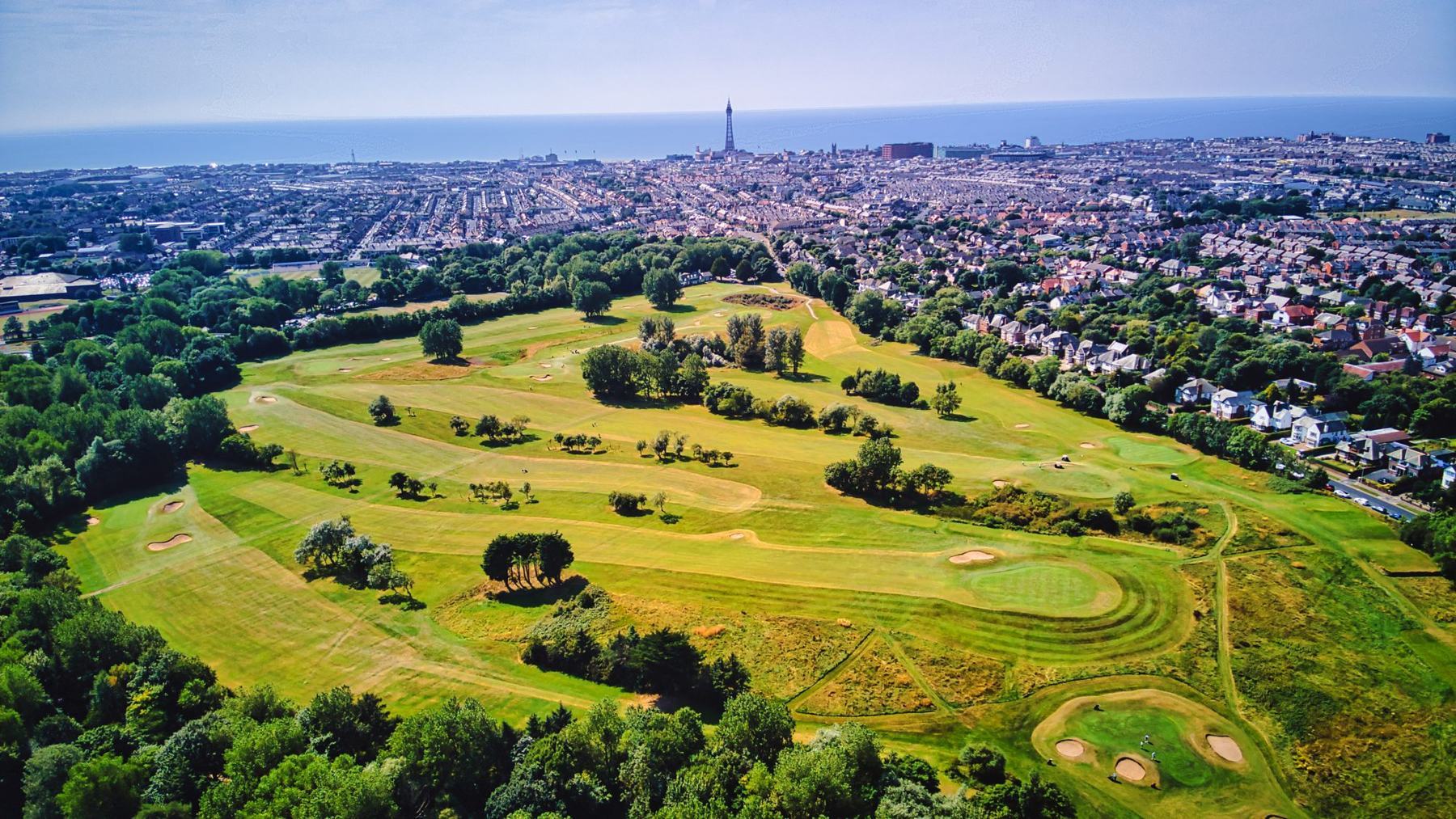
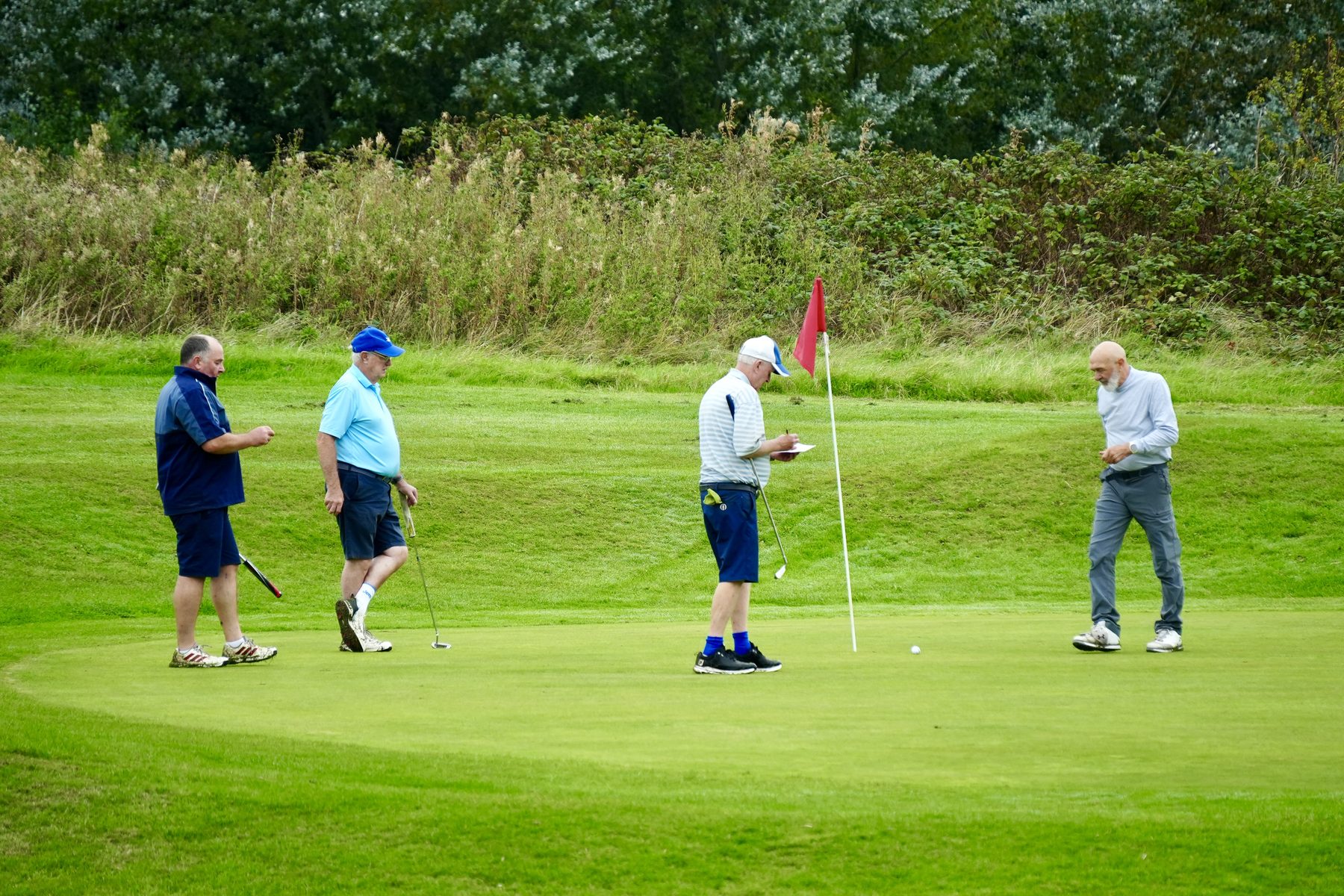
If you sit on a golf club board anywhere in the country right now there is a reasonable chance that somewhere in your last set of minutes there is an item about motorbikes, e-bikes or scooters tearing across your greens and an equally reasonable chance that the discussion which followed ended in a decision to buy more cameras, put up more signs, issue another warning and get a quote for a fence. I have sat in a lot of those meetings over the last seven years and I understand completely why the conversation goes that way, because when you have just watched a kid on a scrambler carve a figure of eight into a green that your greenkeepers have nursed through a wet winter, the instinct to lock the gates and keep the world out is about as natural as any instinct gets. I just do not think it works.
The pattern is the same whether I am talking to a committee at a municipal course or to the secretary of a private club with a six figure joining fee and the problem is the same too, which tells you something in itself. Young people on two wheels are treating golf courses as the one large, open, unlit, unsupervised piece of ground left in their area and the response from the clubs has been to treat them as an invading force to be repelled. Signs go up telling people they are trespassing. Cameras go up so that the club can at least film the damage being done. Photographs of the ruined green go out on social media with a caption that is usually some mixture of grief and fury and a plea for anyone who recognises the bike to come forward. Then, if the budget stretches that far, a few thousand pounds goes on fencing a boundary that any sixteen year old with a decent run up can clear in about four seconds.
I want to be fair to the people making these decisions, because none of it is stupid and some of it is necessary. Cameras do occasionally identify someone. Signage does matter for the club's legal position. A fence along the worst stretch can move the problem a few hundred yards down the road. What none of it does is change the fundamental relationship between the golf course and the people who live around it and that relationship is the whole problem. A golf course that is surrounded by housing but is used by a few hundred members who drive in, play, drive out and are never seen by anyone on the estate is, to the fourteen year old sitting on his bike at the gate, exactly what it looks like, which is a hundred acres of grass that belongs to somebody else and that he is not welcome on. If the only time the club ever speaks to that lad is through a sign that says Keep Out, we should not be surprised when he treats the course as a place with no owner, because from where he is standing it has none that he will ever meet. No fence in the world will outlast that feeling. If someone wants to get onto a golf course and do damage, they will, and they will keep doing it for as long as the place means nothing to them.
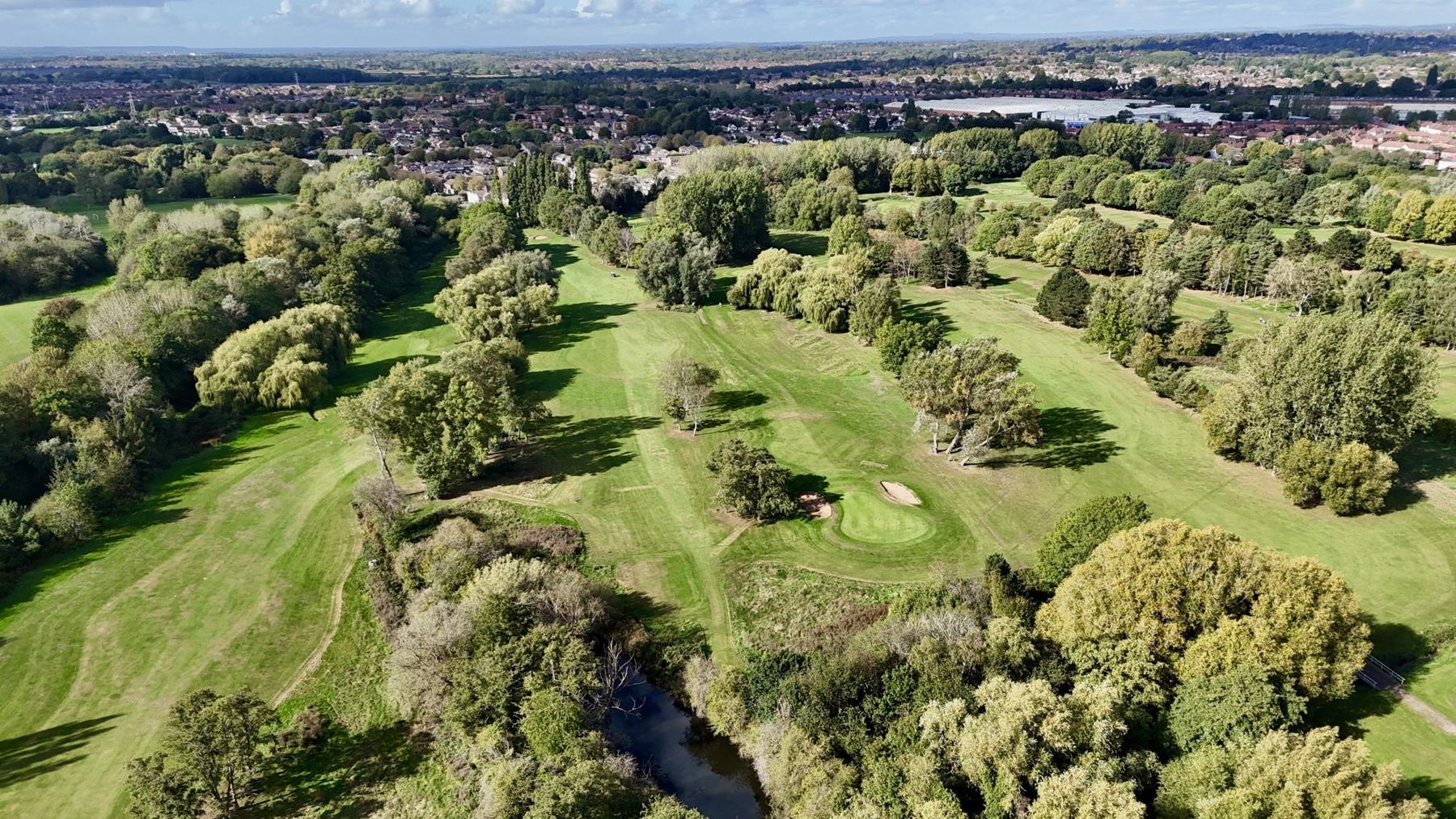
The argument I make to boards and the one that tends to land badly at first, is that the cheapest and most effective security measure a golf club can invest in is a free junior coaching programme. That sounds soft. It sounds like the sort of thing you say at an England Golf conference to get a nod from the room before everyone goes back to arguing about the fence. I would have thought the same thing ten years ago. The reason I no longer think it is because we have been running free coaching at every venue we operate, open to any child who turns up, with no kit required, no membership required and no expectation of anything afterwards and this year three and a half thousand children came through those sessions. What we have watched happen over seven years at each course where we have done this is not subtle. Once families from the surrounding streets start using the facility, once the kids have hit balls on the range and walked the first few holes and been spoken to by name by the pro and the greenkeepers, the place stops being somebody else's ground and starts being theirs. People do not vandalise things they feel they own.
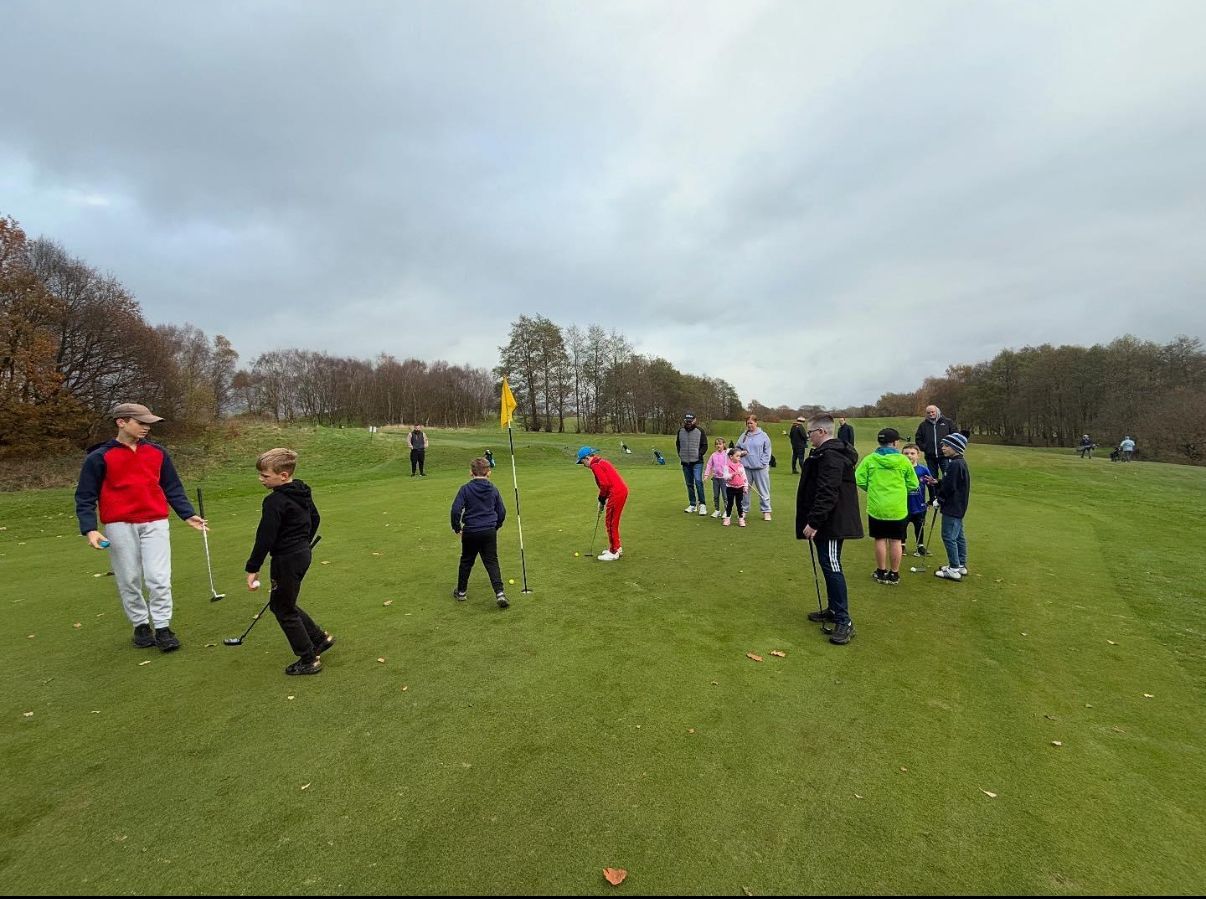
I do not mean that as a slogan, I mean it as something we have seen with our own eyes. The same lads who would once have been the ones on the bikes are now the ones who tell their mates to get off the green. Parents who had never set foot on a golf course walk their dogs along the edge of the fairway and ring the office when they see something that looks wrong. Children talk other children out of it, partly because they want somewhere to play and partly because they have a stake in the place that no sign could have given them. The course becomes self policing in a way that no number of cameras could ever make it and it does so because the community has quietly decided that it is theirs to look after. That is a far more durable form of security than a fence, and it costs a fraction of one.
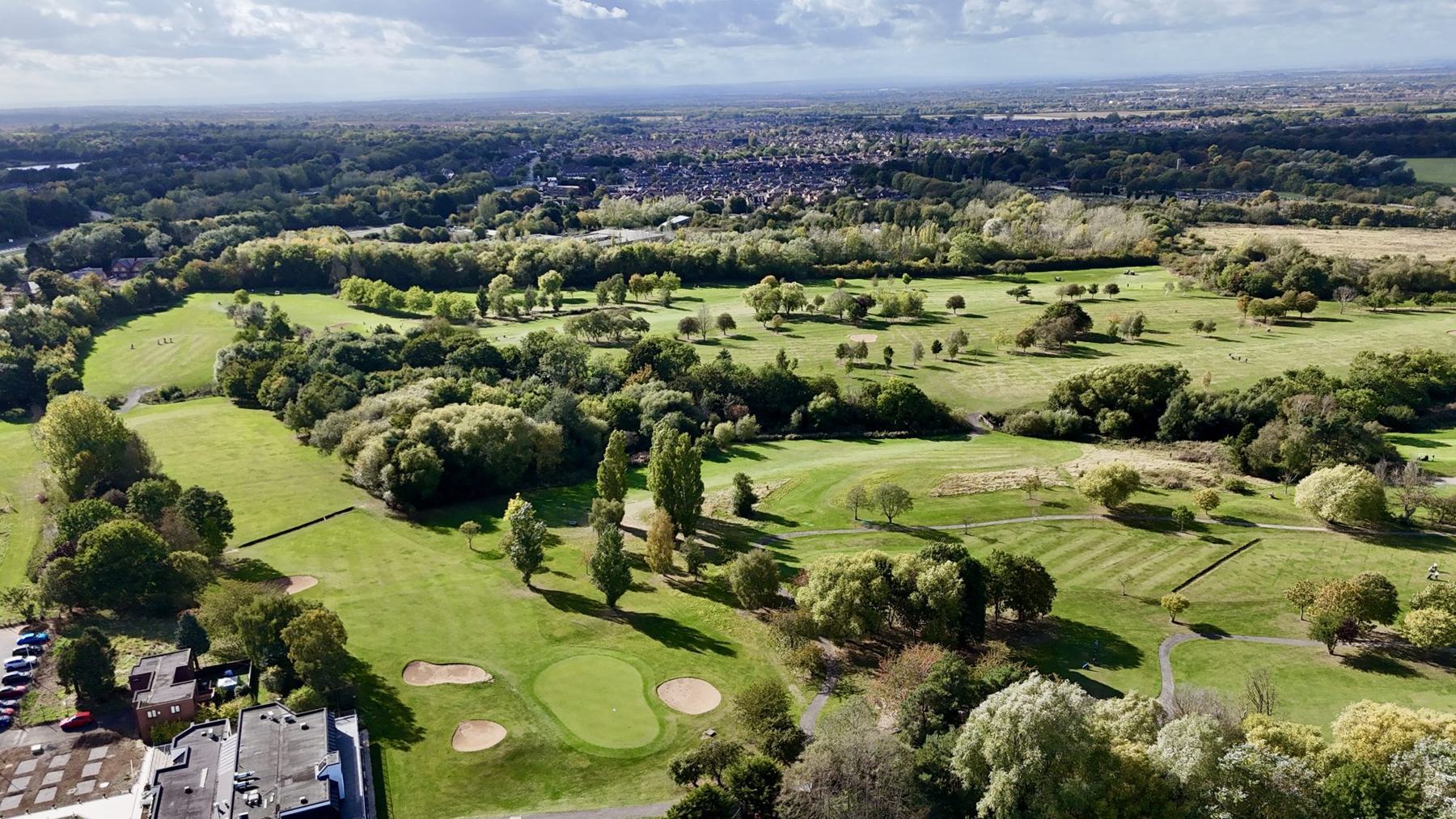
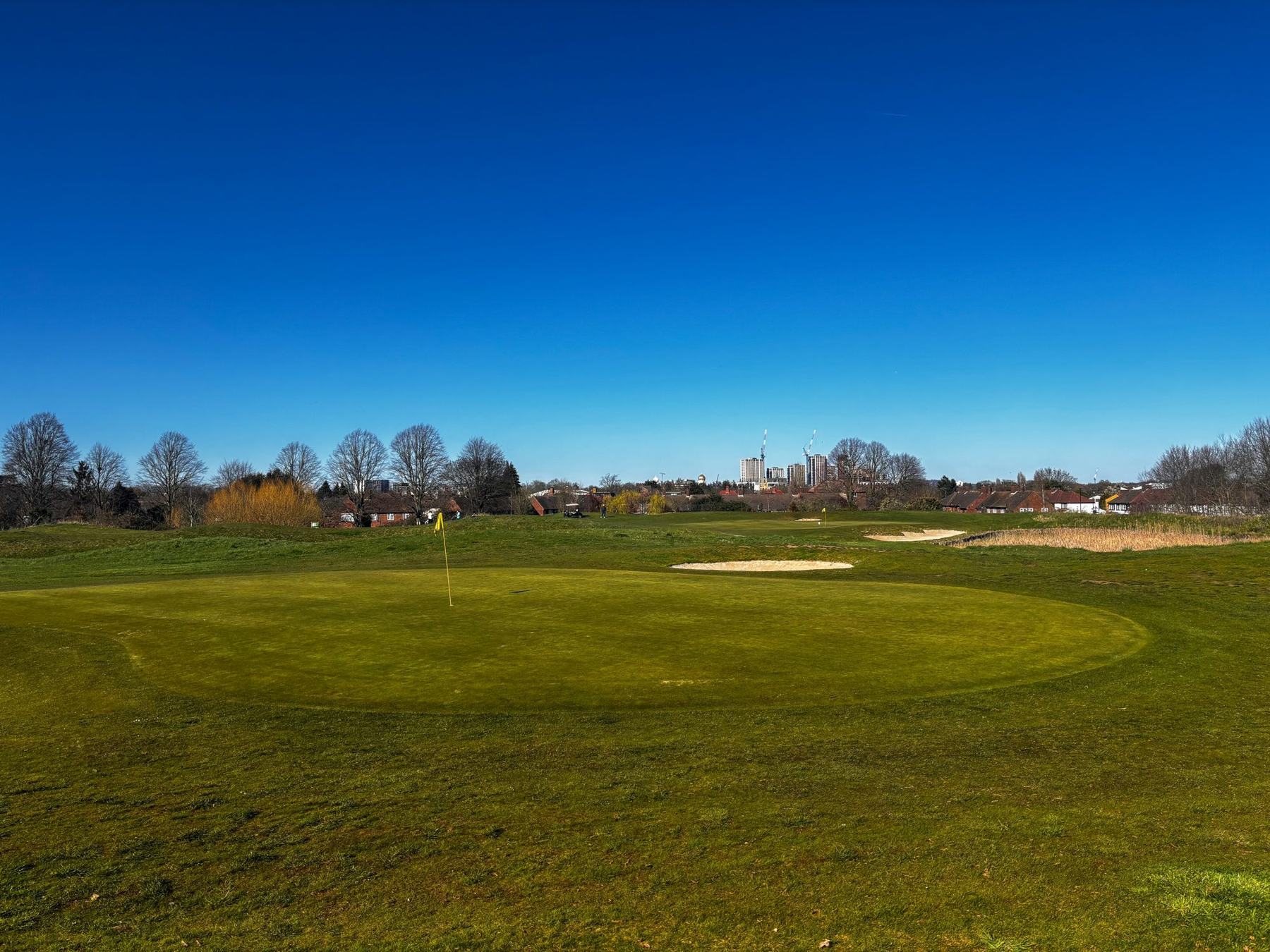
I will not pretend this is quick, or that it suits a club that wants the problem solved by the spring. It is a long term strategy and the first year of it feels like you are giving something away for nothing, which, in the narrow sense, you are. There will be board members who ask why the club should spend money coaching children who will never join and the honest answer is that most of them will not join, at least not for many years and that the point was never to sell memberships. The point was to make the golf course a part of the place it sits in rather than a fortress inside it. Golf has spent a century building barriers to entry, some of them deliberate and some of them simply the accumulated habit of a sport that was comfortable being exclusive and the vandalism we are now seeing up and down the country is in part the bill for that arriving. Getting angry about it on social media does not repair a green and it does not change a single mind on the estate next door.
So the questions I would put to any club that is currently pricing up a fence are these. Does your club have a junior pathway that a child with no money and no family history in the game could actually walk into? Are you running regular coaching that is free, not cheap, not subsidised, but free and are you advertising it where the families who need it will see it? When you walk through the estates that border your course, does anyone there think of the golf club as something that belongs to them in any way at all? If the answer to those questions is no, then you can build the fence if you like, but I would gently suggest you are protecting the wrong thing.