
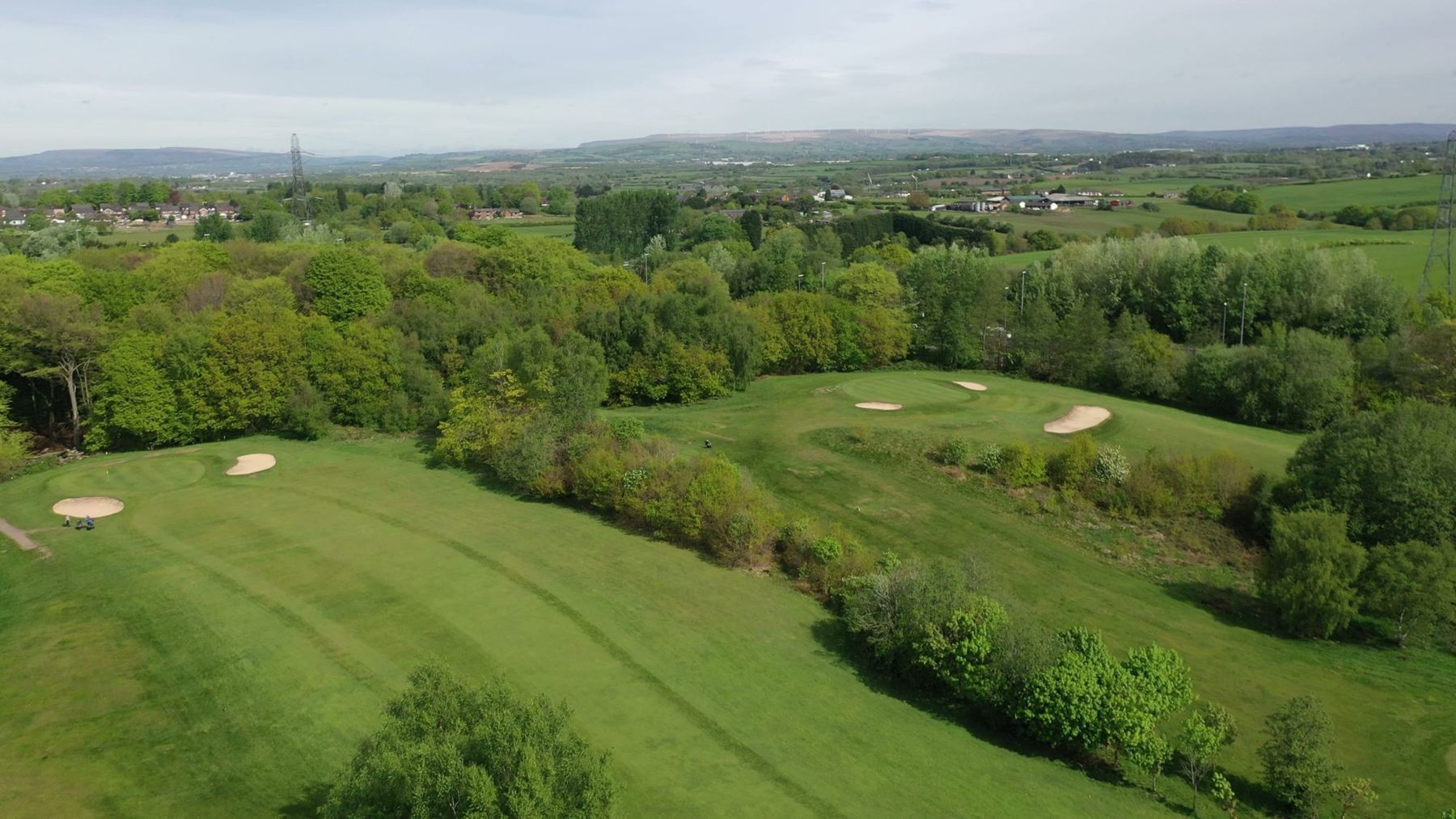
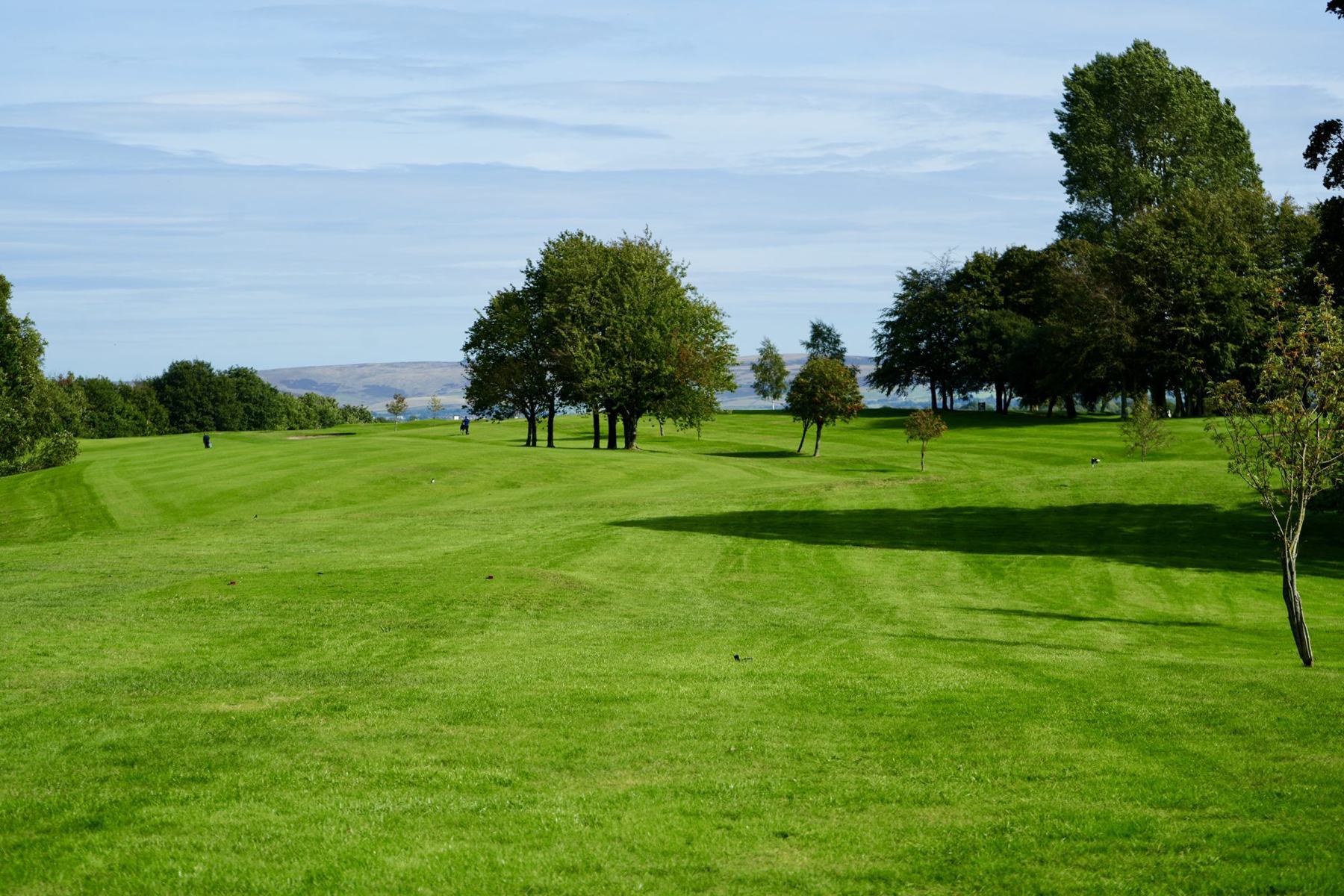
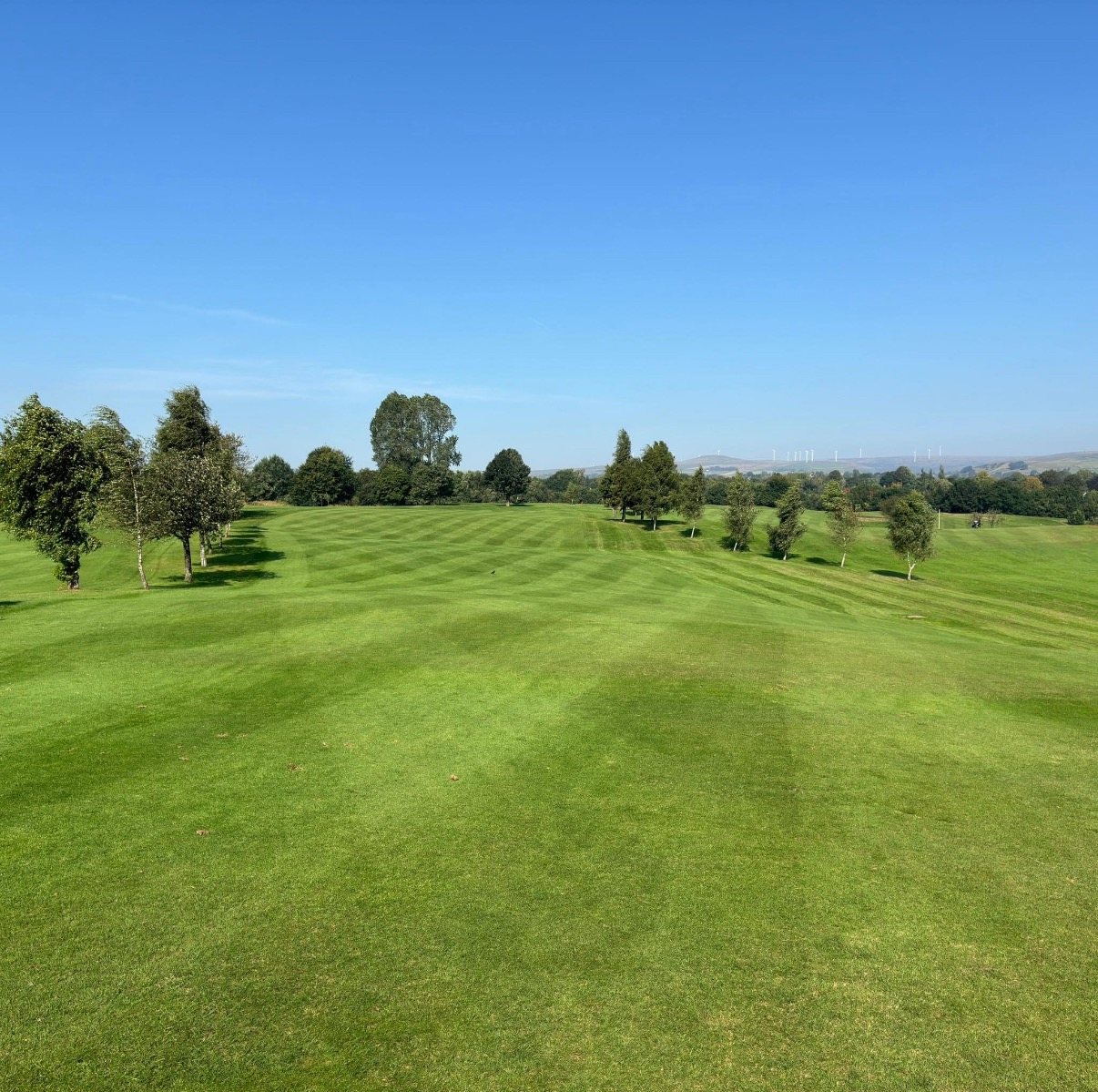
Marland is a municipal golf course in Rochdale that was weeks away from closing when we took it on in 2019 and there it was a few months later looking like a proper championship course. We thought we had cracked it. We thought we had a formula which we could roll out wherever we went next.
Before I get to how that went wrong, it is worth talking about the different types of golf courses you find in the UK. Links courses sit on sandy coastal ground, fast draining, wind battered, running fescue turf that wants to be firm and brown and bouncy for most of the summer and the second you start pouring water and fertiliser into a links course to keep it green you have taken away the exact quality that makes it great. Heathland courses, your Sunningdales and your Woodhall Spas, sit on similar free draining soils inland with heather and gorse and silver birch and they want firmness too, tight lies, fine grasses, a sort of dry rugged beauty that looks slightly wild even when it has been maintained to within an inch of its life. Moorland courses sit higher up on thinner acidic soil, exposed to everything the sky can throw at them, often with a shorter growing season and turf that simply will not respond the way lowland turf responds no matter how much you spend trying to persuade it. Parkland courses, which is what most of inland Britain actually plays on, sit on heavier soils with mature trees, shelter from the wind, richer ground, ryegrass and meadow grass in the sward and they hold moisture and they grow like crazy.
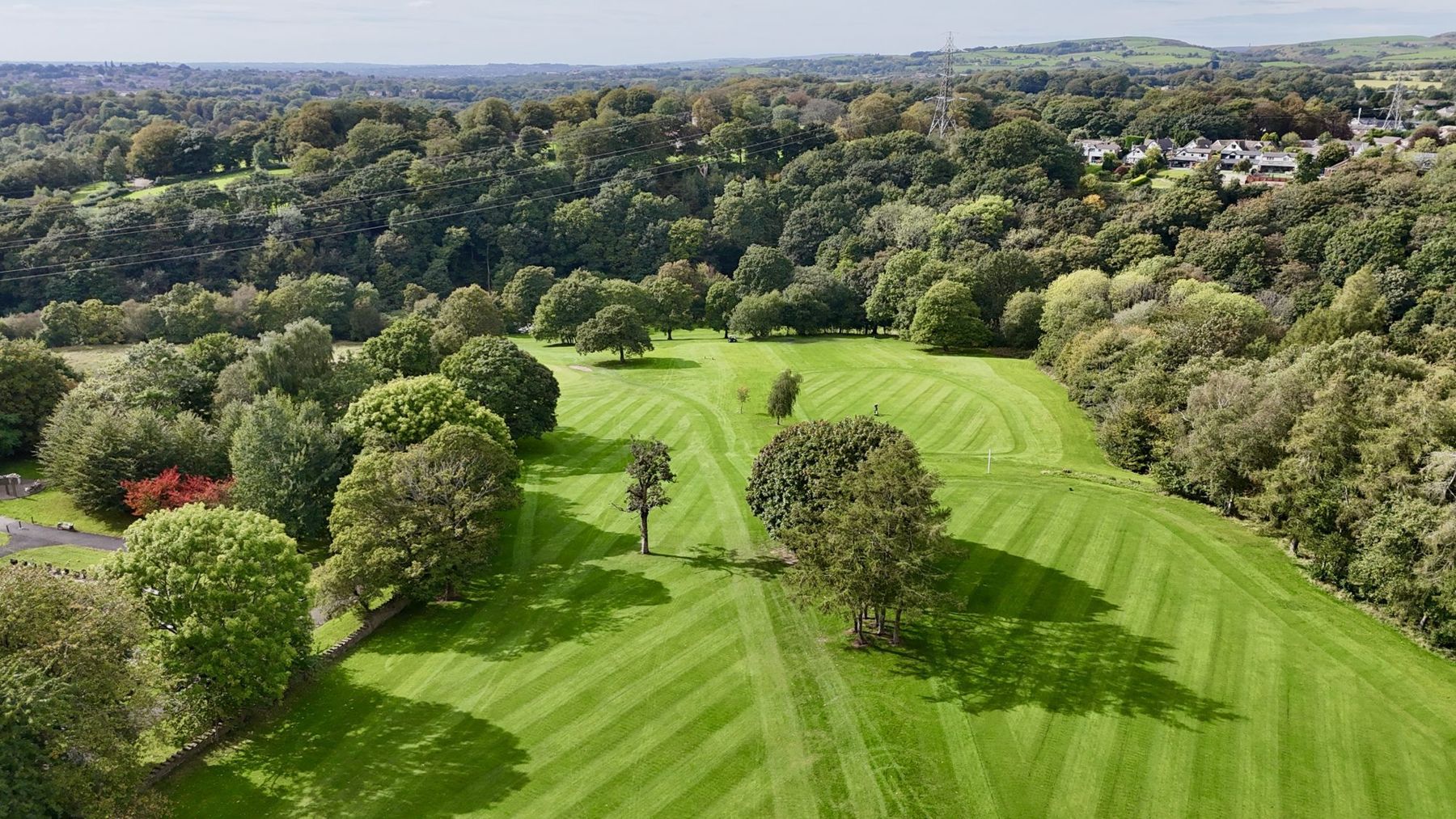
Marland is parkland to its bones. Tree lined, sheltered, soil with a bit of body to it, grasses that love a feed and respond to a cut, which is why it stripes up so beautifully and why on the right week in the right conditions you genuinely can stand on that first tee and think you have been transported somewhere far grander than a municipal in Rochdale. None of that was clever management on our part, it was the site doing what the site was always going to do.
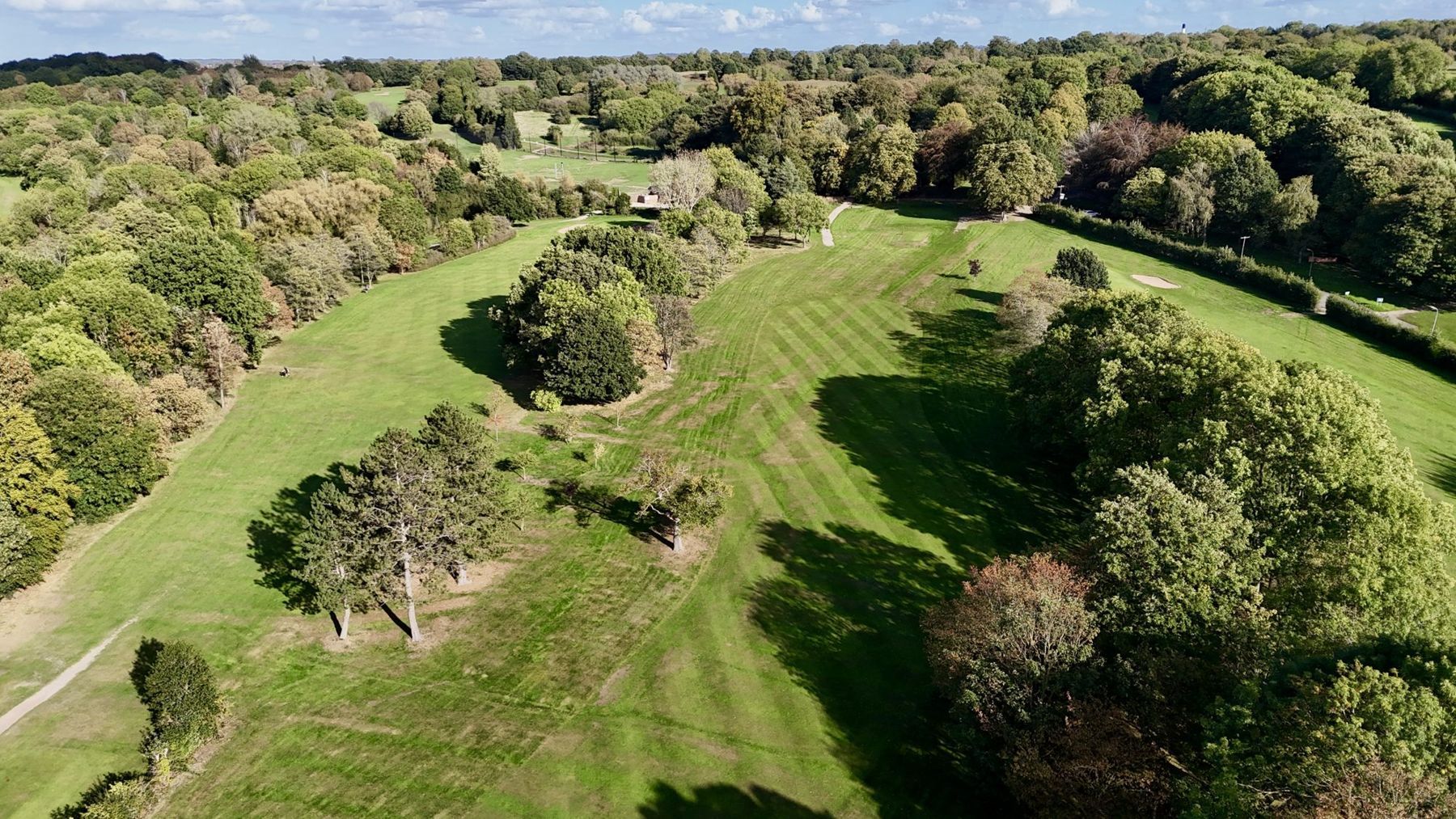
Then came Heaton Park. Bigger, older, far more historically significant, one of the great municipal golf courses in the country and crucially a completely different animal, because Heaton is not really a parkland course at all, it is a hybrid, part parkland in the sheltered corners and part moorland across the exposed high ground where the wind gets a proper run at you and the soil thins out and the grass species shift under your feet as you walk. We went in with the Marland playbook because the Marland playbook had worked and because we did not know any better. Same cutting heights. Same feeding programme. Same expectations on colour and stripe and consistency.
It did not work and it did not work fairly quickly. The whole course started to look like it was wearing somebody else's clothes, which in effect it was. We spent a lot of money and a fair bit of pride learning that a presentation style is not a uniform you can issue to every site in the group. You cannot impose a look on a piece of land, you can only reveal what the land is already capable of and the job of a greenkeeping team is far closer to editing than it is to writing.
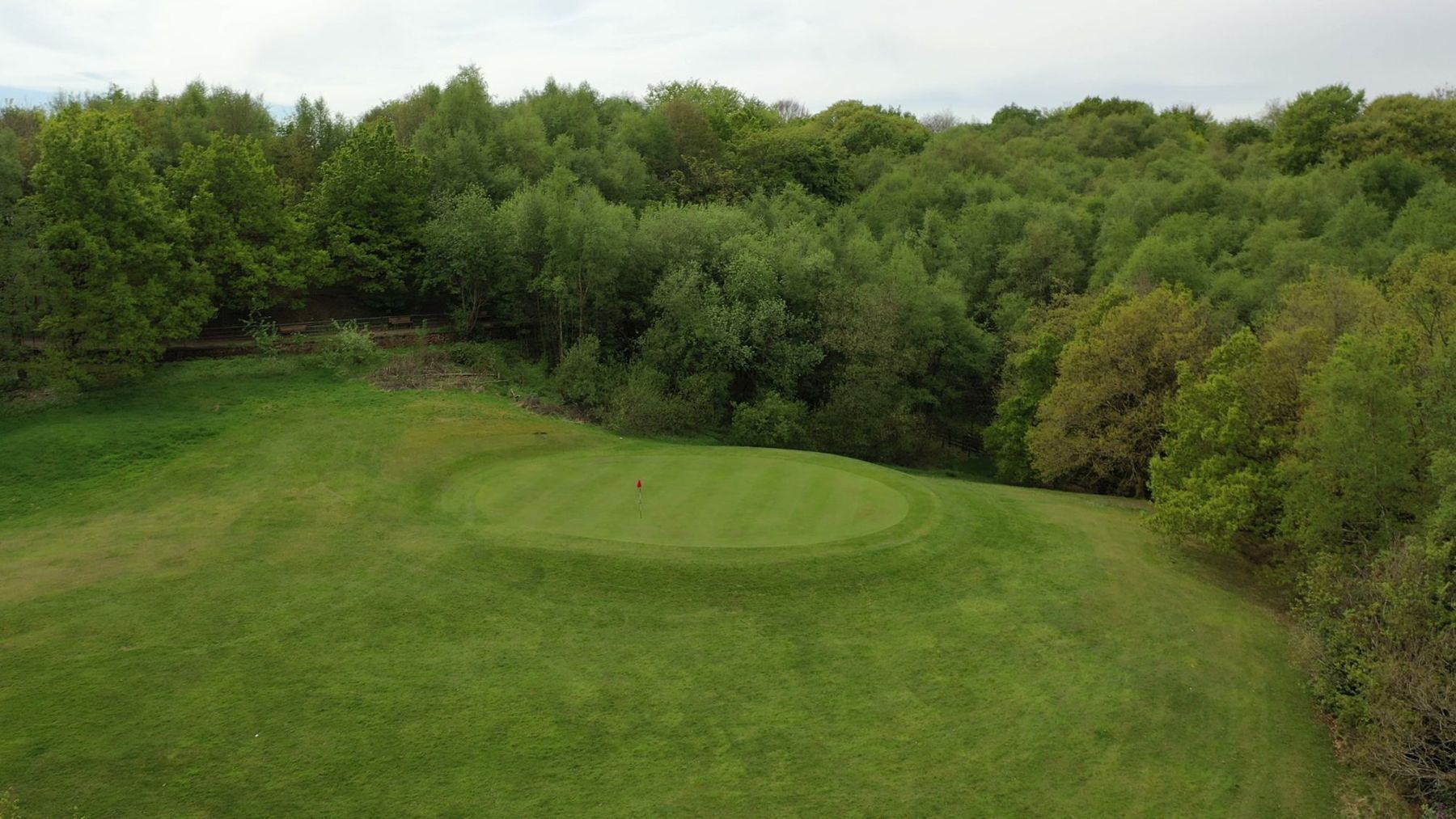
So our approach now is almost the opposite of where we started. Every golf club we take on gets treated as an individual project with its own plan and before we touch anything we study the architecture and the original layout, we walk the lay of the land in different weathers, we survey what grass species are actually out there rather than what we wish were out there, we look at how the site drains and where the water goes and which corners sit wet in November and which ridges burn off first in June and only then do we write a programme that works with all of that rather than against it.
Several of our courses were laid out by the finest architects the game has produced, Dr Alister MacKenzie, James Braid, JH Taylor. Our first duty is to protect the strong features and the original characteristics rather than to leave your own signature on everything. Bunkers get rebuilt in the style the architect intended rather than in the fashion of the moment. Trees that have grown up over decades and closed down a green complex or hidden a line of play the architect deliberately created get looked at honestly and sometimes removed, which is never a popular conversation but is usually the right one. Any change or amendment we make has to sit comfortably beside what was already there, because the alternative is a course that reads like three different books stapled together.
Protecting heritage is only half of it though, because these courses also have to survive a climate that is behaving very differently to the one they were designed for. We are now dealing with hotter drier summers and wetter milder winters and both ends of that are brutal in their own way. The wet mild winters mean drainage has become one of the biggest lines in our capital spend, along with disease prevention on greens, because mild damp conditions are exactly what turf disease wants and the chemistry available to fight it is far more limited than it was twenty years ago, so prevention through drainage, airflow, sward composition and cultural practice matters far more than reaching for a spray. It also means winter traffic management is central to everything, keeping trolleys and buggies off the wear lines, protecting approaches and walk on points, building proper accessible buggy paths so that less mobile golfers can still get round in January.
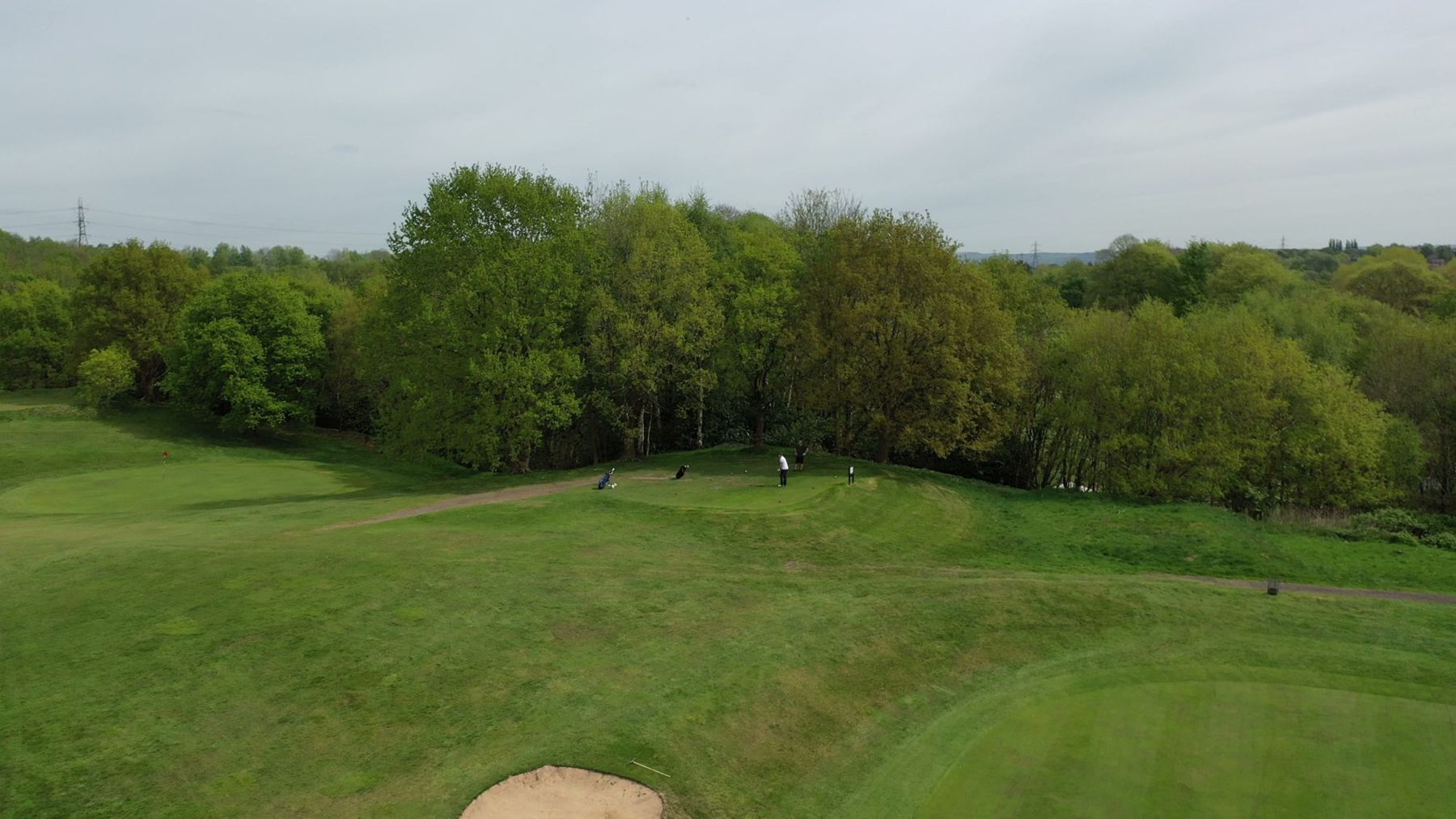
At the other end of the calendar, water has gone from being a background cost to one of the most important strategic questions in the whole group. Investment in boreholes, in modern irrigation systems that can put water exactly where it is needed rather than everywhere at once, in storage, in proper water management programmes that treat every litre as the finite and increasingly expensive resource it has become. This is not environmental box ticking, it is the difference between a course that survives a six week dry spell in reasonable shape and one that does not.
None of this is as satisfying as a photograph of perfect stripes, I will grant you that. What we are chasing now is not making ten courses look the same, it is making each one look and play like the very best version of itself, so that Marland gets to be a lush striped parkland because that is genuinely what it is and Heaton Park gets to be the wind exposed hybrid it has always been, firm where it should be firm and honest about its own character and every course we take on afterwards gets the same courtesy of being understood before it is changed. It was a painful lesson and it cost us real money and a bit of credibility while we worked it out, but I would take that trade again, because the alternative was carrying on imposing a blueprint on land that was never going to accept it.