
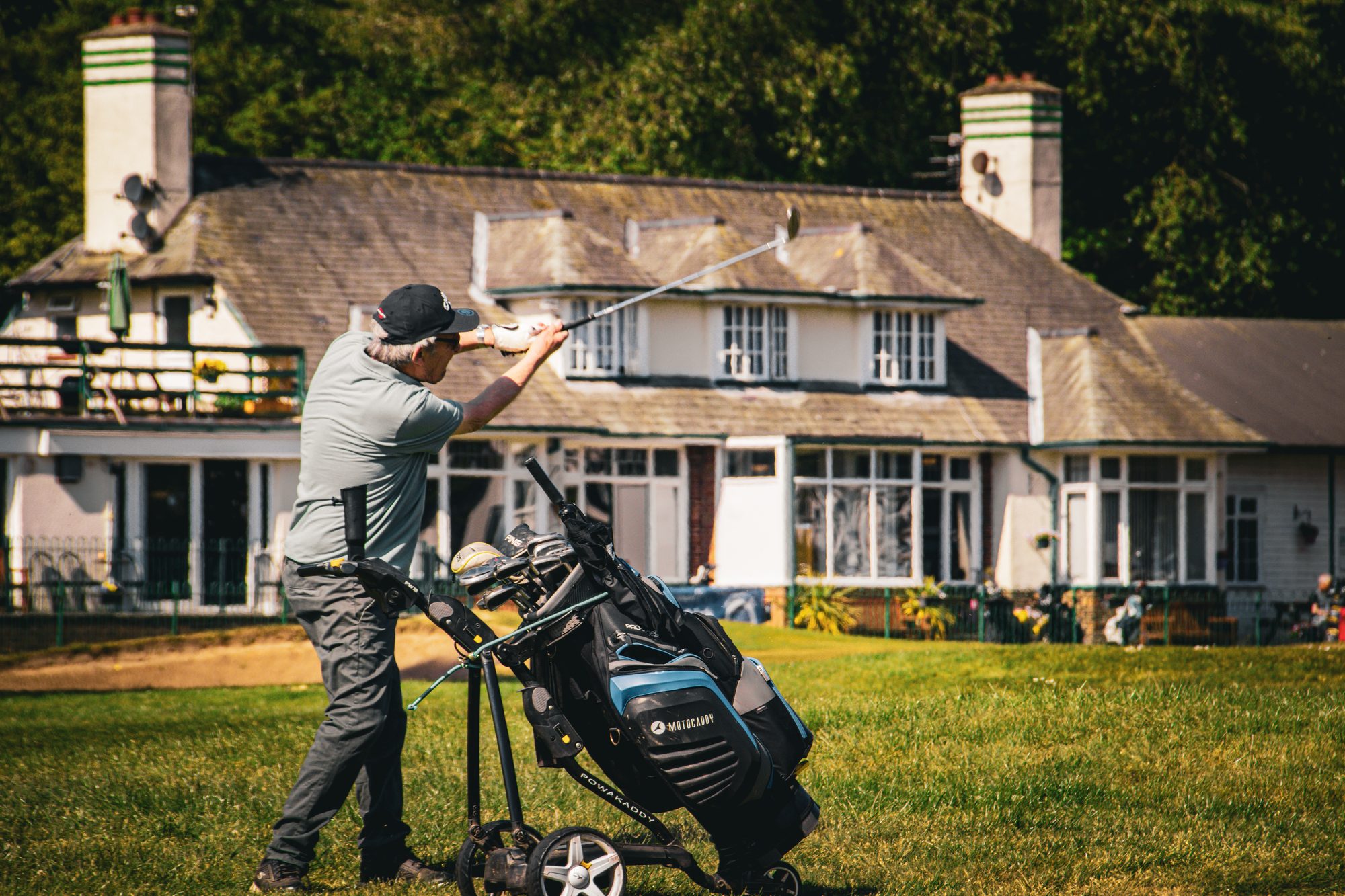
Every tee time taken, a full open field, the bar busier than it had been in years, cars parked on the grass lining the 1st fairway looking like an Open Championship from the 1970’s and the feedback I got from the board was about parking and slow play. It took me a long time and a fair bit of humility I didn't have at the time, to work out that they weren't being difficult. They were telling me something true about the club that I wasn't ready to hear.
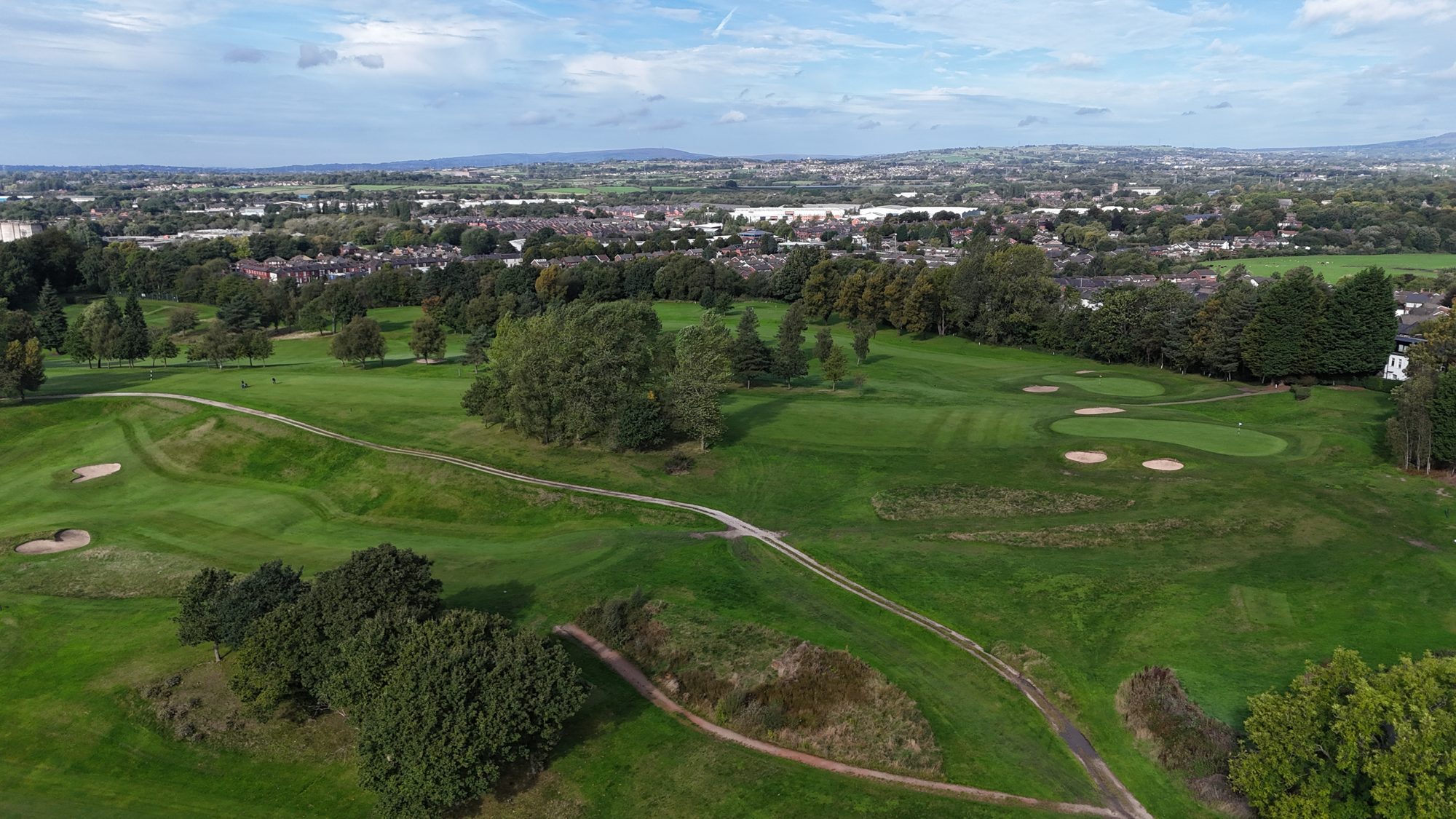
I spent four years as PGA Professional at a private golf club that had everything going for it. Brilliant course, minutes from a city centre, busy town around it, strong catchment. The club was struggling when I arrived, so the brief I was given was clear. Green fee revenue, society income, new members and grow the open competitions. I threw everything I had at it. Membership schemes with free lessons built in, social media aimed at filling the quiet times around the members, society packages put together with the caterer and opens we built from scratch with prizes worth travelling for. The numbers moved.
Then the pushback started. The new members and the existing members ended up sat at different tables with very little crossover between them. The opens got too big for the car park. Weekend rounds got slower. I heard that the course was too busy at weekends with visitors and at the time I took every bit of it as a personal insult, because I was doing exactly what I'd been asked to do.
What I couldn't see then is that both sides of that argument were reasonable. The board wanted the club to be financially secure. The members wanted their club to feel like their club. Those are not opposing positions, though they feel like it in the moment and somebody needed to sit in the middle and reconcile them. That was my job. I didn't do it, because I was too busy being right.
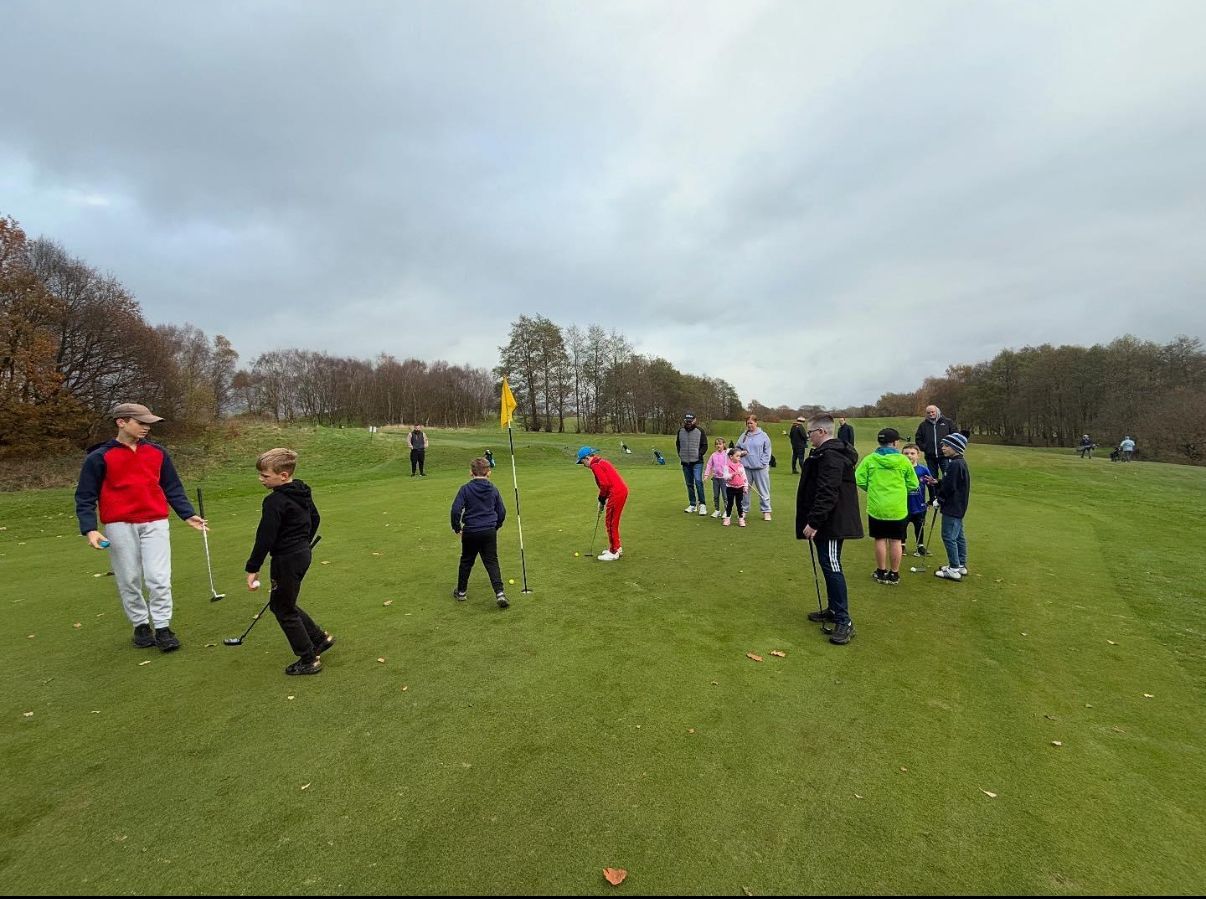
If I could hand one thing to someone starting a similar role tomorrow, it's this. Sit down with the board and the membership and agree what success actually looks like on the ground, in detail, before a single thing changes. How many visitor slots and which ones. What the car park looks like on an open day and what we're doing about it. How new members get welcomed in rather than left to find their own way. What the tee sheet looks like the day we hit the number everyone has agreed they want. Every single objection that came at me over four years was predictable, I predicted none of them out loud and so each one arrived feeling like an ambush when it was really just a consequence nobody had signed up to.
The other thing I'd pass on is about disagreement. I was asked to run Footgolf, with a number attached to it that I didn't believe in. I argued against it for months and lost. What I did next was right, which was to commit properly, because a project delivered half heartedly by someone who wants to be proved right is worse than no project at all. It never really landed with members or visitors. Two years in, just as it was starting to find a rhythm, it was stopped.
I've thought about that one a lot since and the lesson isn't about Footgolf. It's that a new revenue stream is often a more comfortable conversation than the harder one about the core product, which is why clubs reach for the shiny thing. It's also that the cost isn't usually in starting something, it's in stopping it in month twenty five with all the learning paid for and none of the return collected. That's not a criticism of that board, it's a pattern I see everywhere in this industry, including in decisions I've made myself and the discipline to see year three through is rarer than it should be.
By the end of my time there I was convinced I could run the place better. That conviction, with a decent amount of frustration behind it is what got me started as a golf course operator. I had a lot of “I'll show you.” fuel. That's the most common founder story because nearly every entrepreneur I know came out of a business they thought they could run better and it does carry you through the early years of no money, no team and very few people believing in you.
I was right that the potential was real. I was wrong about almost everything else. I now spend a lot of my time sat across the table from club boards and what I understand at forty something that I couldn't at thirty something is what those people are actually carrying. They're volunteers. They have day jobs. They're custodians of something with a hundred years of history and several hundred members' worth of opinions, they'll hand it on to someone else in two years and the one thing they cannot afford to be is the board that got it wrong. Caution in that seat isn't obstruction, it's care.
Resentment turned out to be a brilliant starter motor and a terrible engine. It makes you want to prove people wrong, which isn't the same as wanting to win.
So if you're a manager or a pro sitting in a club right now feeling like you're being asked to grow the place and questioned every time you do, you're probably not failing. You're most likely working to two briefs that have never been reconciled and the most valuable thing you can do isn't another campaign, it's getting everyone in a room to agree what good looks like and what it's worth.
The board were right about the car park I just wasn't ready to admit it.