

I want to be careful here because I am not saying prices should never rise. Costs go up, wages go up, fertiliser and diesel and insurance and electricity have all done unspeakable things to golf club budgets in recent years and a club that has genuinely not reviewed its pricing in a decade is storing up a problem rather than avoiding one. What I am saying is that the price rise is the last lever you pull, not the first and that in almost every club I have walked into there were three or four bigger levers sitting untouched. Raising the price is the only revenue action a committee can take entirely on its own, in a room, in an evening, without having to change anything about how the club actually operates, which is exactly why it is so popular and exactly why it so rarely works.
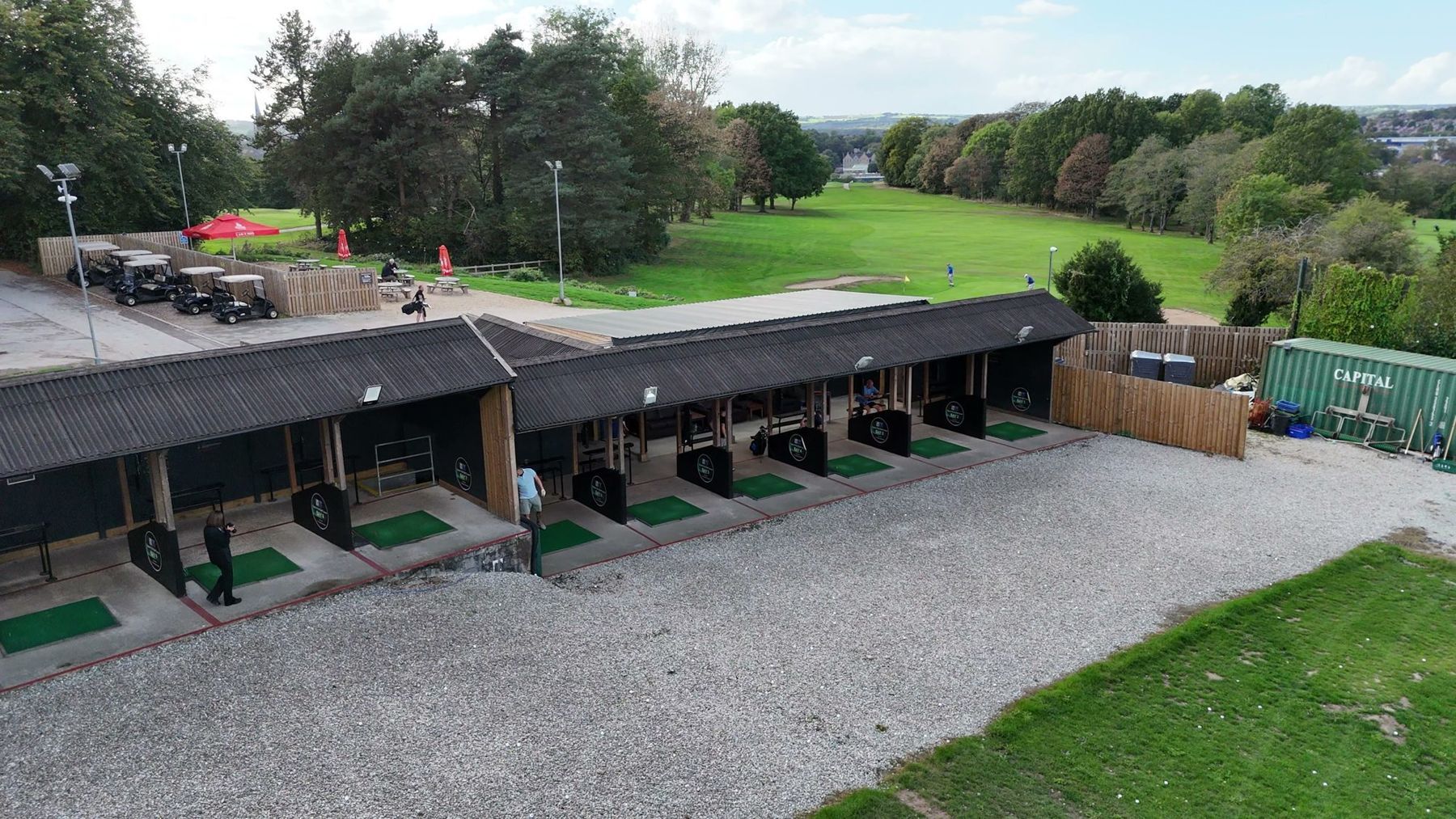
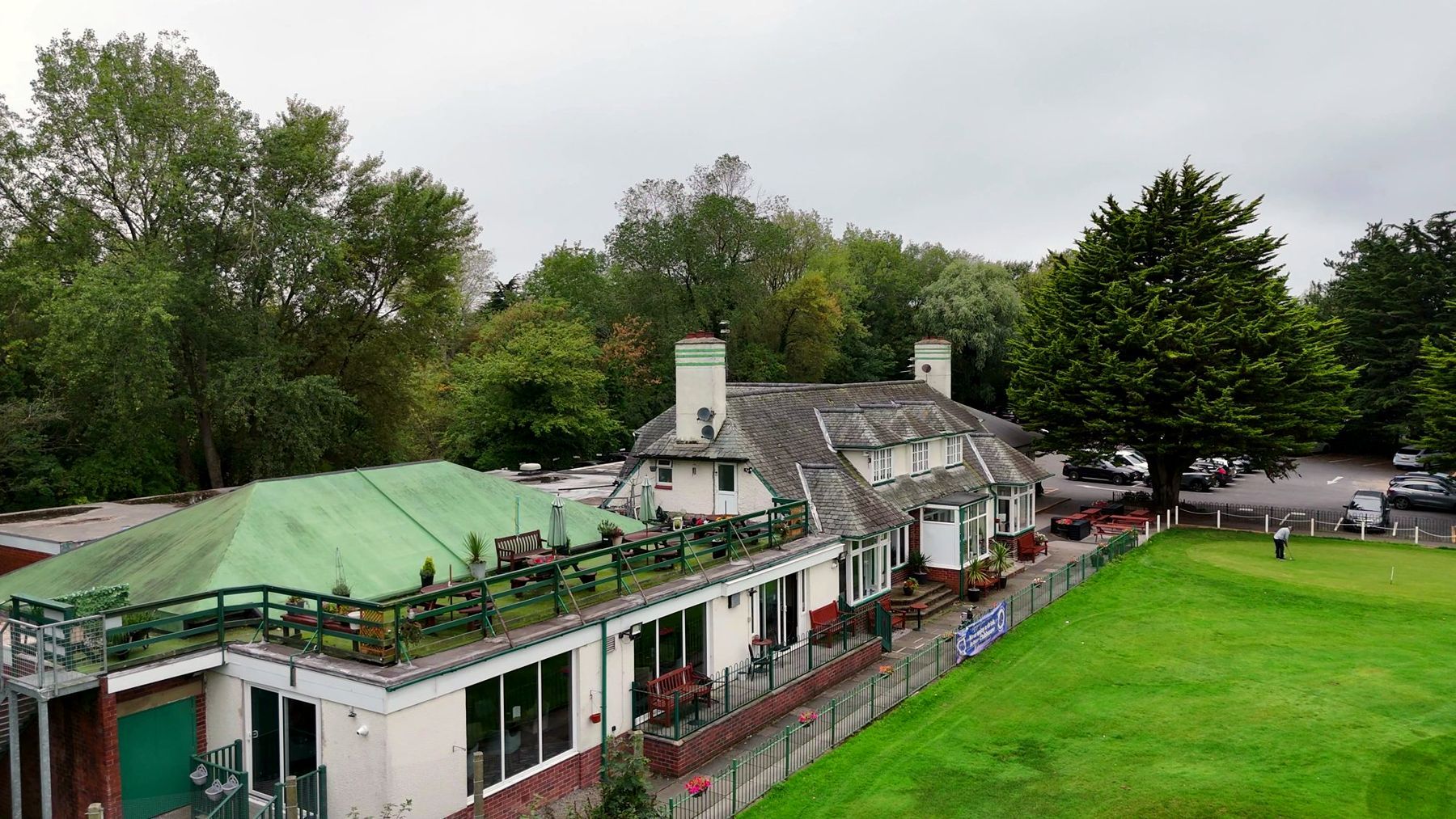
If your club wants to drive revenue then the first thing to look at is investment. If you genuinely want to transform a golf club then something has to change materially about the experience of being there and that costs money before it makes money. Sometimes it is obvious within an hour of arriving, a clubhouse that has not been touched since the nineties or a fleet of machinery being held together by the mechanic's goodwill and a box of parts he has been hoarding since 2014. Sometimes you have to dig a lot deeper, spend time with the greenkeeping team, look at where members actually spend their time versus where the club has historically spent its money and work out that the thing holding the place back is drainage on four holes that flood every November so half your winter golf disappears. Give members a reason to come back and giving people who had written the place off a reason to look again. A driving range, a proper practice facility, a course that drains, a clubhouse people want to sit in after their round rather than leave as quickly as their manners allow, all of these pay for themselves in a way that a subscription increase never will because they grow the number of people who want to be there instead of squeezing the people who already are.
The second lever is marketing and I mean real marketing rather than a Facebook page that somebody's nephew set up in 2017. Most golf clubs are effectively invisible to the people who live nearest to them. A good digital strategy is a combination of paid campaigns targeted properly at the people within a sensible drive time and organic content that actually says something and the organic side is where clubs consistently undersell themselves because they think nobody is interested. People are interested. They want the behind the scenes stuff, the greenkeepers out on a frosty morning, the story of why the seventh green is being rebuilt, the junior section photo, the pro talking about what he has been working on with a member. That content builds a feeling of connection before anyone has spent a penny and it makes members feel proud of the place they belong to, which is worth more than any advert you will ever run.
The third lever is conversion and this is where good marketing fails in most clubs. If your campaign works you will generate enquiries, which means somebody has to answer them quickly, know what to say, follow up when the person does not reply first time and be comfortable asking for the sale. A slick process and the right people are the whole game here. I have seen clubs spend real money on marketing and then let enquiries sit in an inbox for four days until a volunteer gets round to it and the honest truth is that a lead which is not followed up within a day is usually a member somebody else has signed.
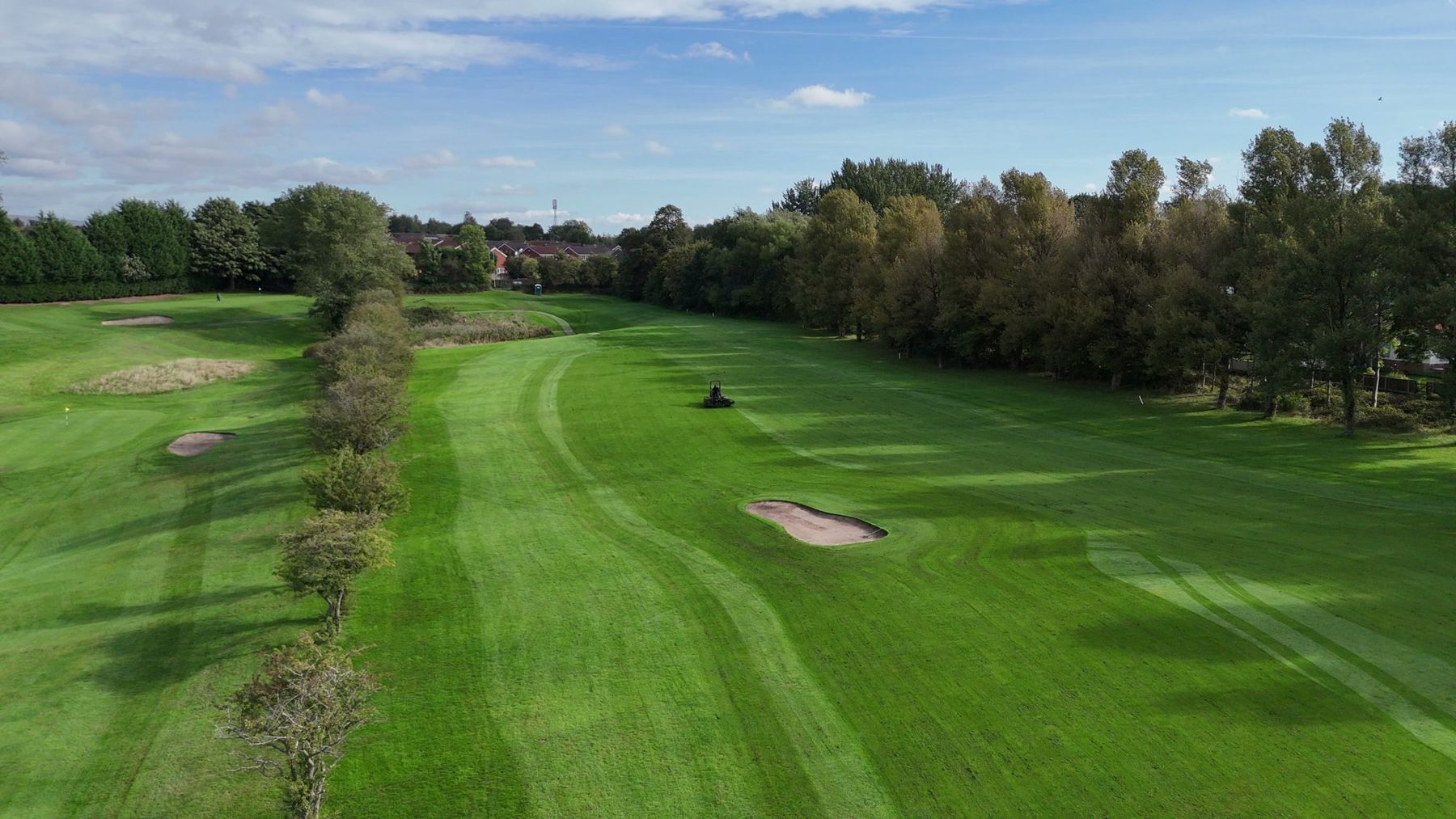
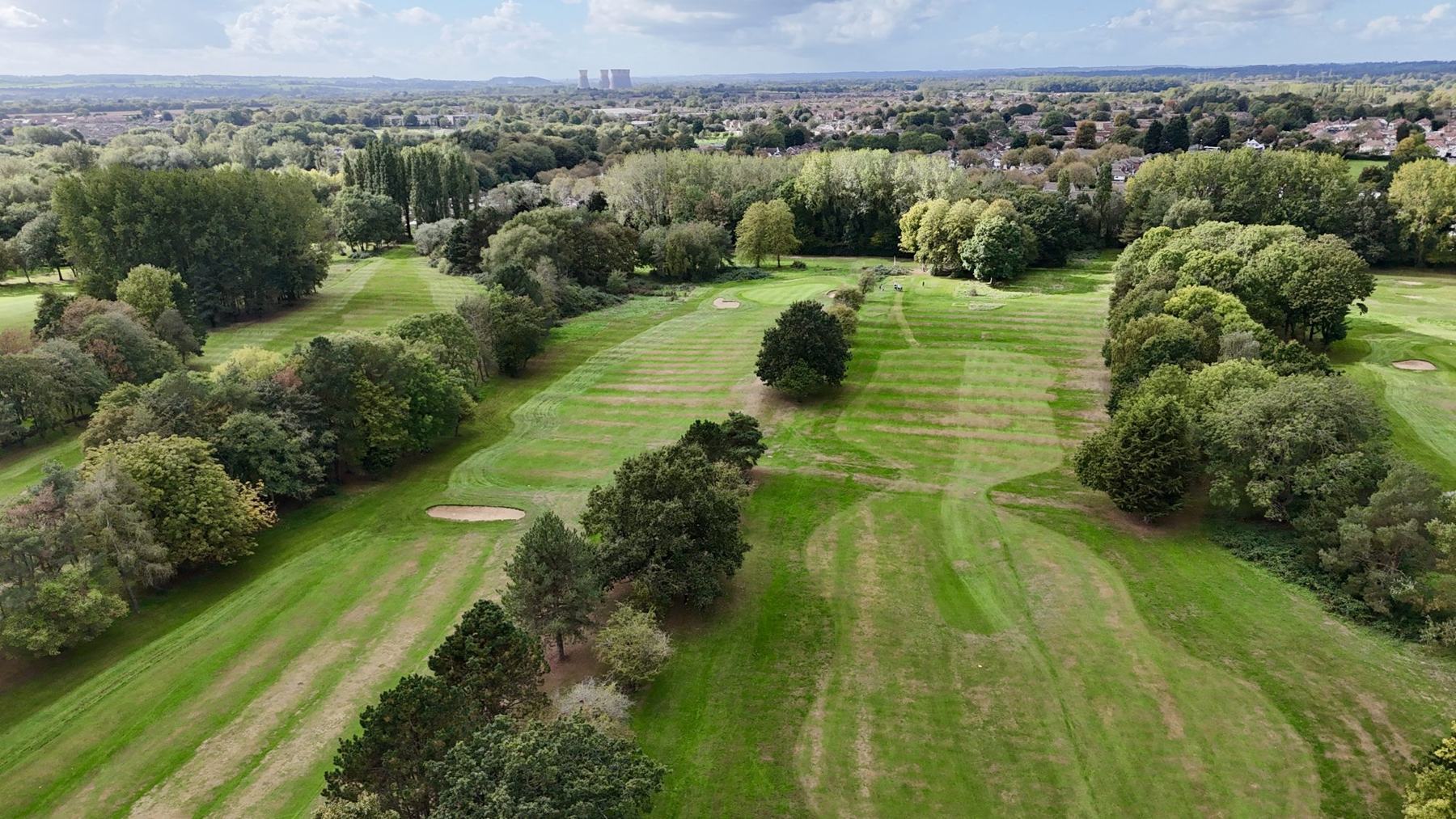
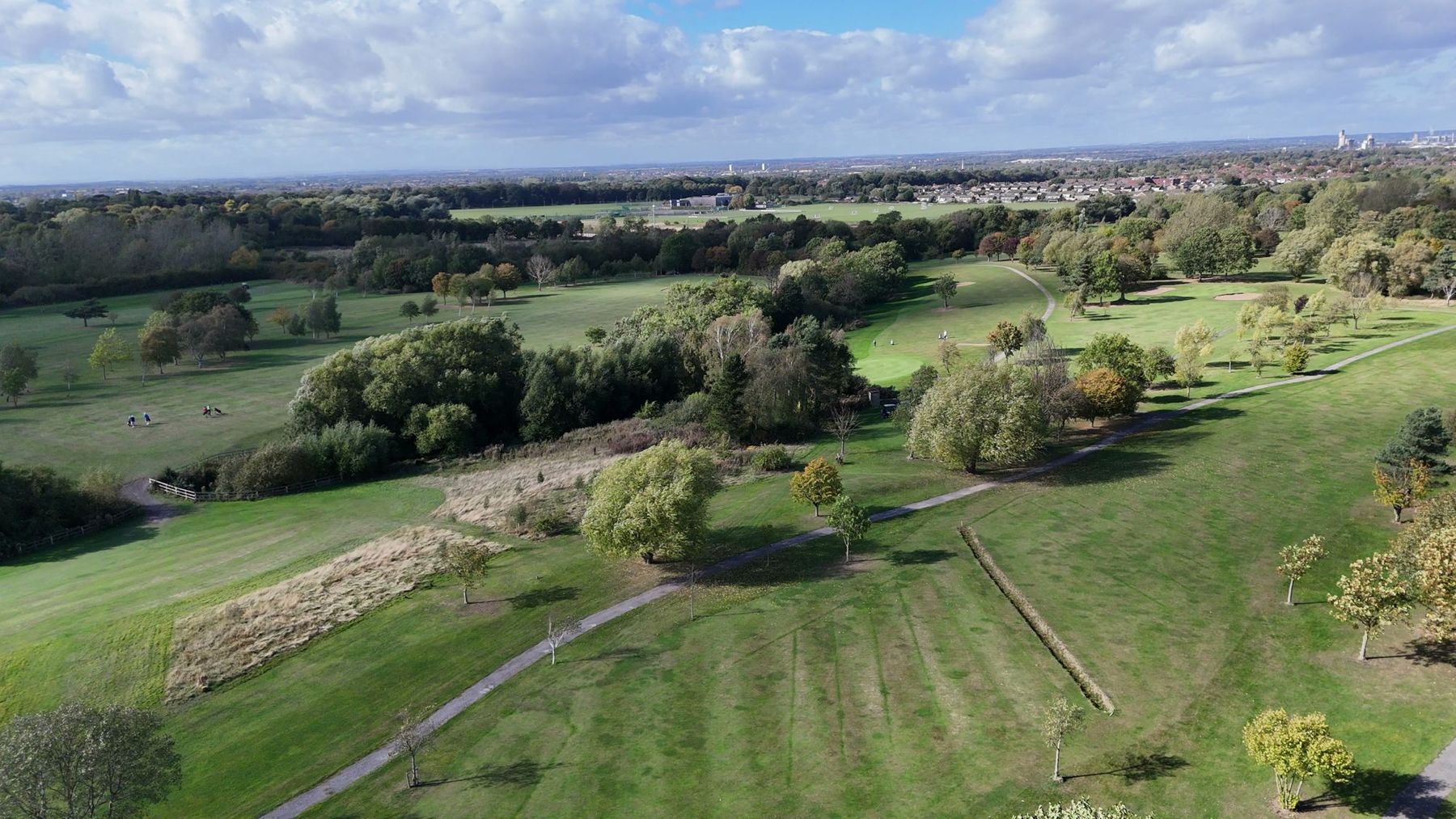
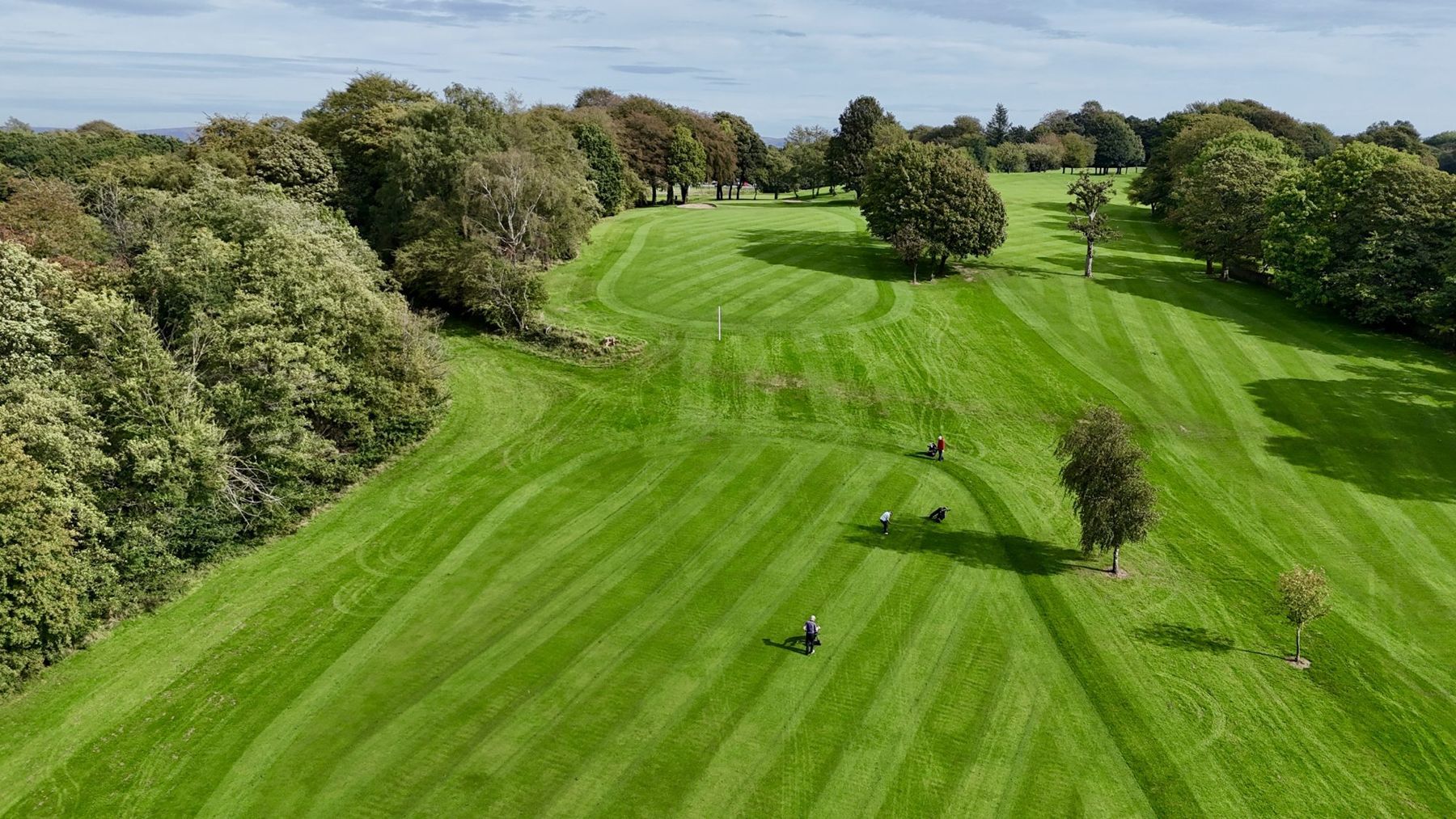
Then there is the golf course, which is simple to explain and extremely hard to do. Keep it in incredible condition. That is the whole strategy. Everything else you build sits on top of that, so resource your greenkeeping team properly, back them publicly, give them the machinery they need to do the job you are asking of them and accept that this is the one area where saving money in the short term costs you far more than it saves.
The last one is member feedback and it might be the most important of the lot because attracting members and keeping members are two completely different jobs. You must give people a direct route to tell your team what they think and then you must genuinely listen, which is harder than it sounds because feedback is not always pleasant to hear and it is very often delivered badly. It is still essential. Every complaint is somebody telling you where your money should go next and the clubs that shut that down or route it through three committee layers until it arrives sanded smooth are the clubs that lose members for reasons they never quite understand.
So before your club puts its prices up, or reaches for that eighteen months for the price of twelve offer which does nothing except hand you a discounted problem in a year and a half, work through this list honestly and ask whether you have really pulled the other levers first. Adding value is how you increase revenue. Adding cost is how you find out how loyal your members really are, and that is not a test any club should want to run.