We had a call yesterday with a golf club in the North East, arranged through a mutual connection who thought the two of us would enjoy comparing notes and we came away very impressed. Four years ago that club was on the verge of closing. Today it has more than seven hundred members, up from around three hundred, with the momentum still running in the right direction and no sign of it slowing.
They have done some genuinely smart structural work along the way. The board is far smaller than it was, which means decisions actually get made rather than deferred across meetings and a subcommittee and they have effectively brought in a chief executive with the authority to act on the things that matter.
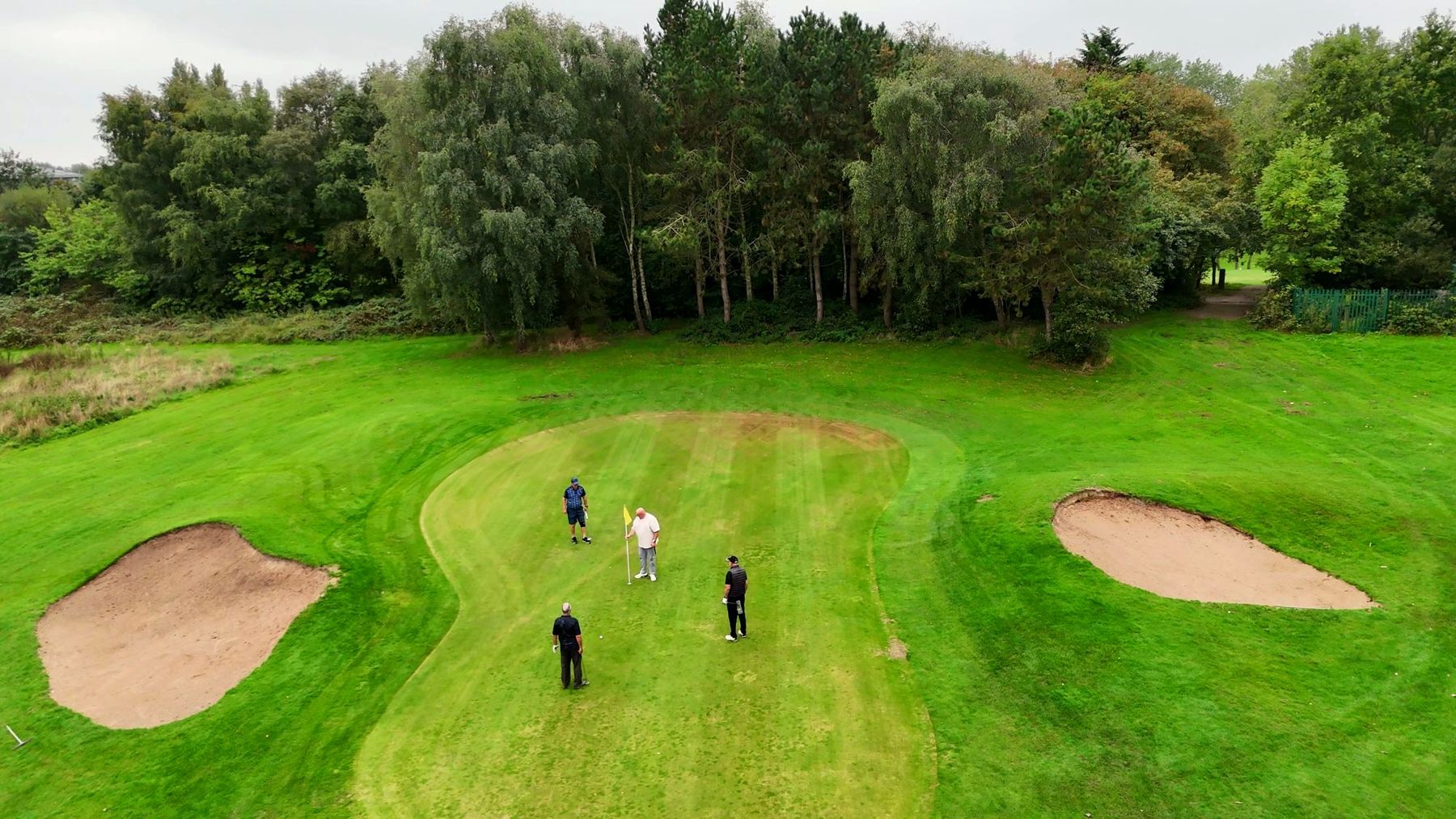
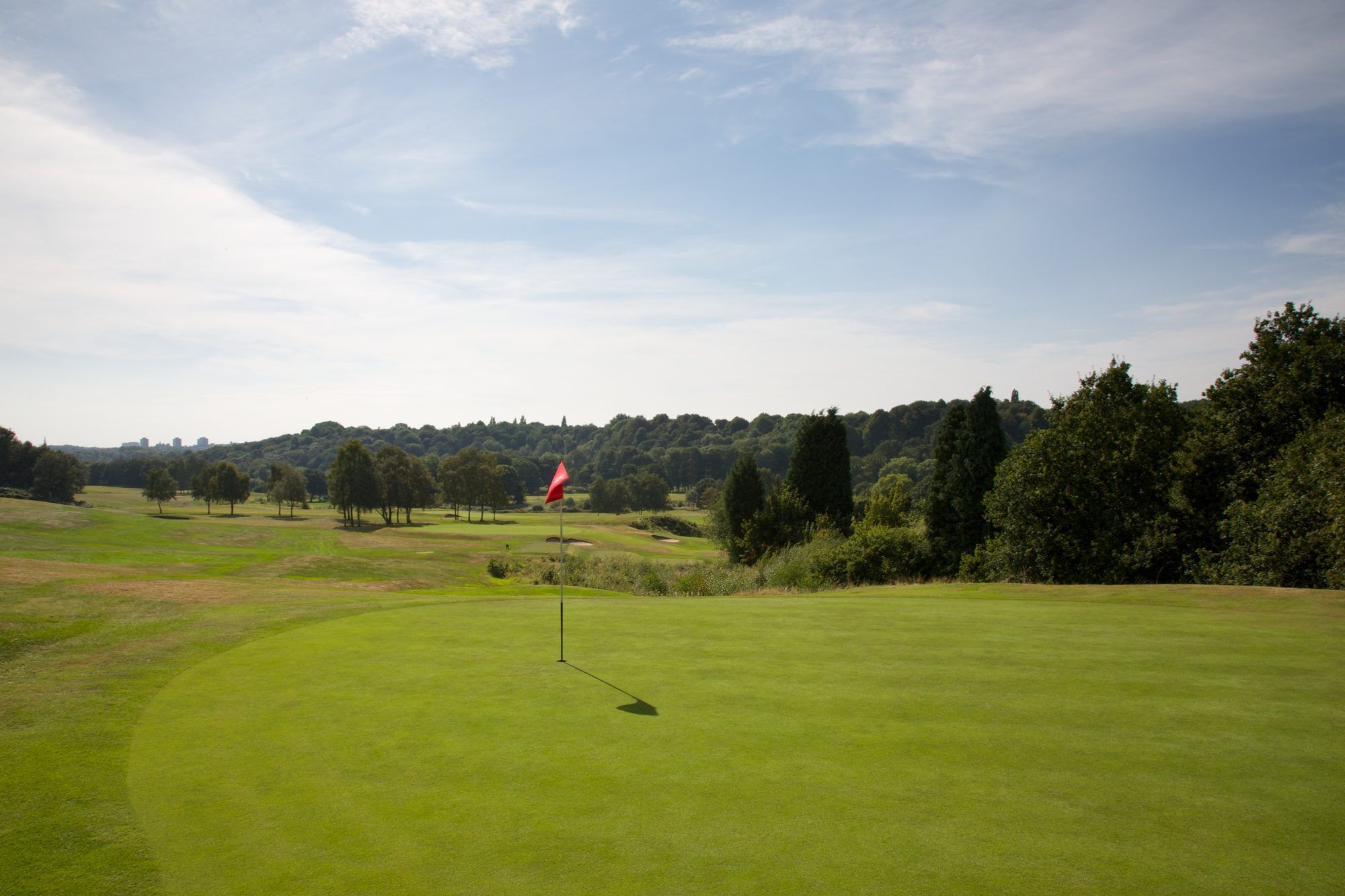
When you dig underneath the governance though, the story is much simpler. They improved the golf course. Everything else was built on top of that.
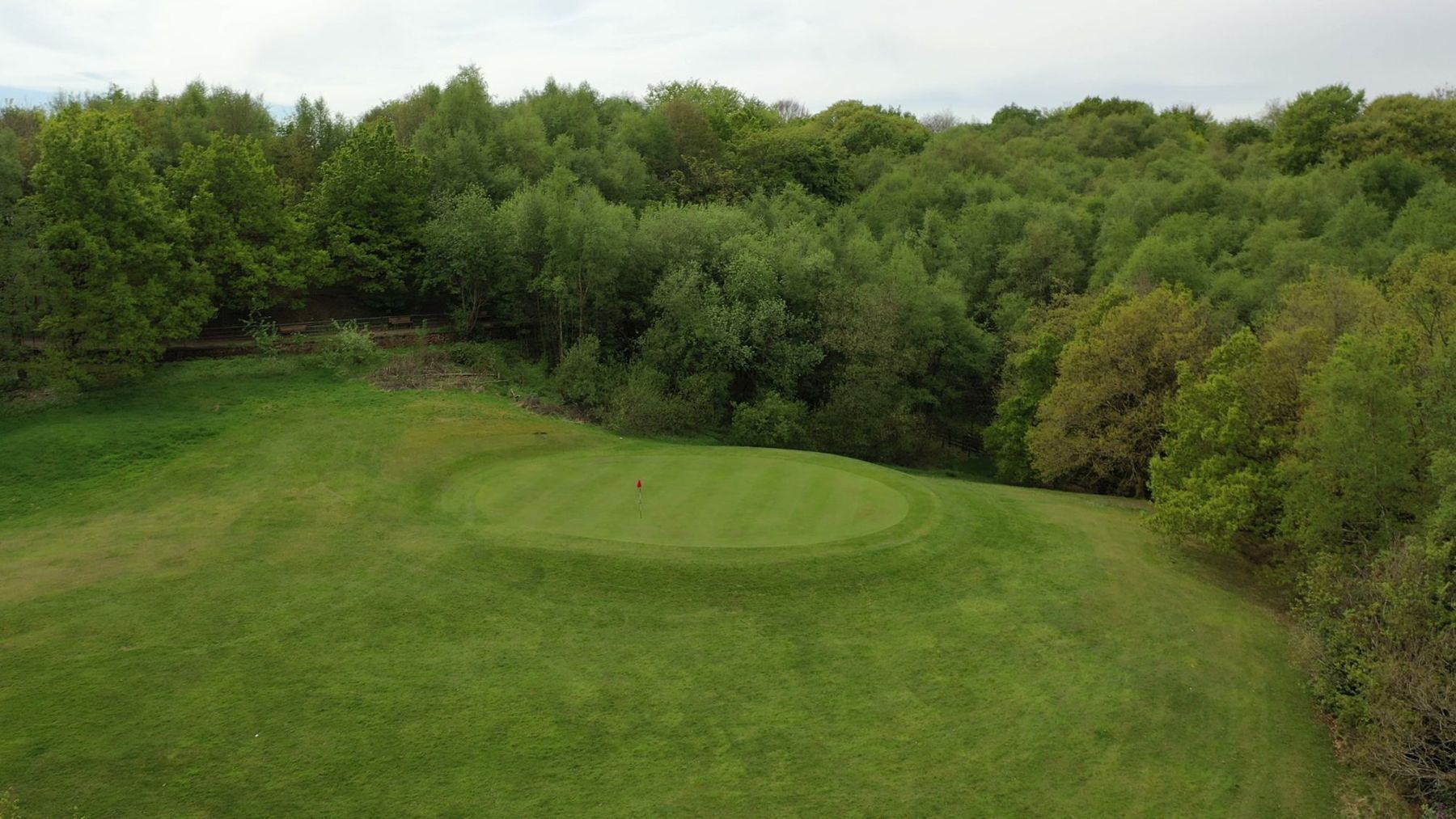
We're currently in conversation with clubs across the country and the same pattern shows up. If you want to have a successful golf club you have to present the best course possible.
The reason is not complicated when you strip it back. The golf course is the product. Everything else is packaging. Condition is what people talk about in the car park, it is what they tell their mates at other clubs, it is what turns a visitor into a member.
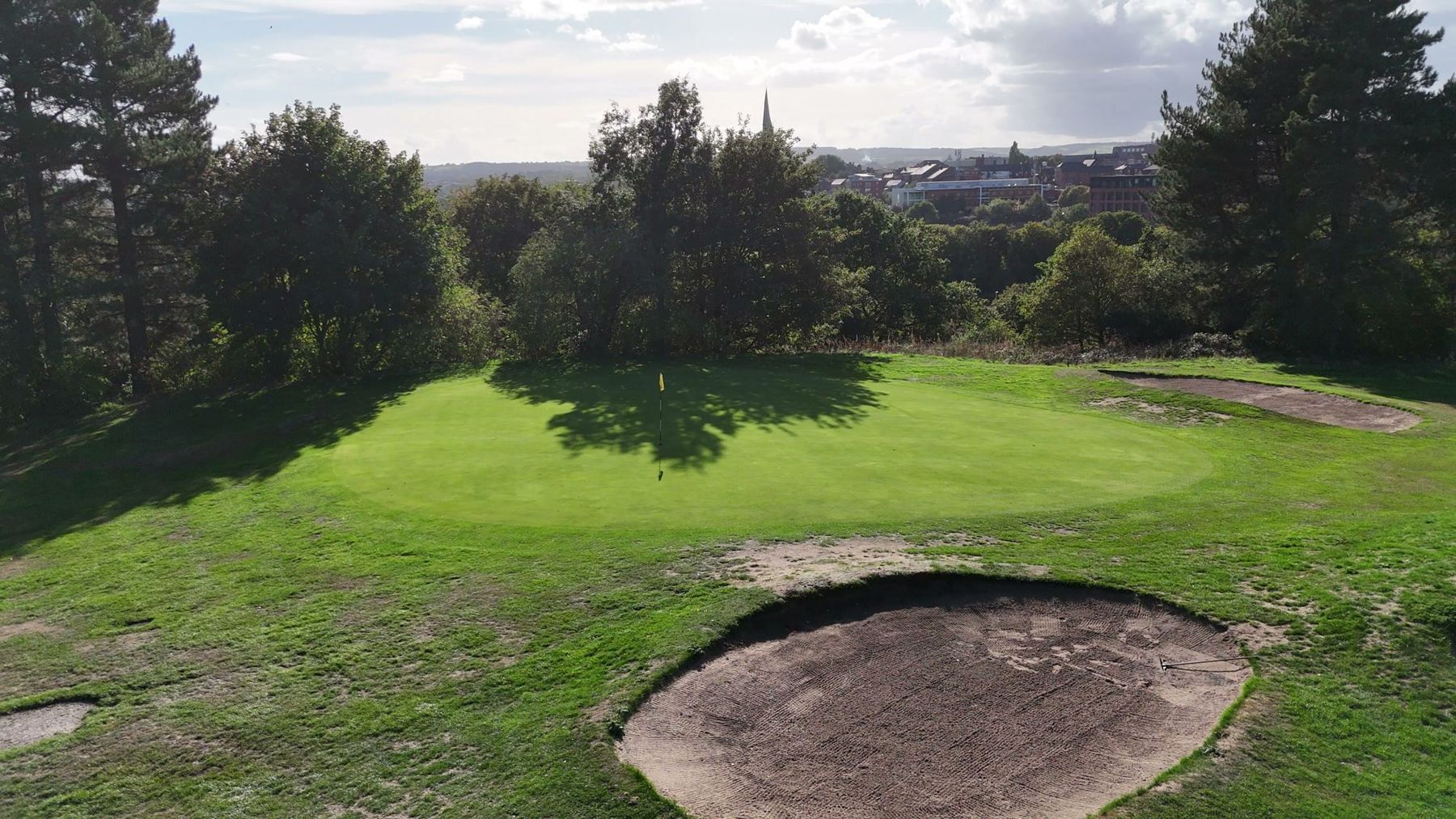
Course condition also sets the ceiling on everything commercial. It determines what you can charge for a green fee, whether societies rebook and whether you can hold a joining fee. Get the greens right and the revenue follows almost automatically, which then funds the clubhouse, the machinery, the practice facilities, the staff and every other ambition on the wish list. Get the greens wrong and no amount of investment anywhere else will hold the membership together, because you are asking people to pay an annual membership for something they no longer enjoy doing.
The decline works the same way in reverse. Membership drops, income drops, the board looks for savings and the greenkeeping budget is almost always the first thing cut because it is the largest controllable line on the profit and loss. Machinery replacement gets deferred, a greenkeeper leaves and is not replaced, the top dressing programme gets scaled back, drainage work is postponed for another season and within two years the course is visibly worse. Members who could tolerate a tired clubhouse cannot tolerate poor greens so more of them leave, income falls again and the cycle tightens.
The good news is it's almost always recoverable. In nearly every declining club I have looked at there is nothing structurally wrong with the land, the layout or the location. Members stopped enjoying that golf course. Bring the condition back and they come back with it, which is exactly what has happened at the club I spoke to yesterday and exactly what we have seen at our own venues.
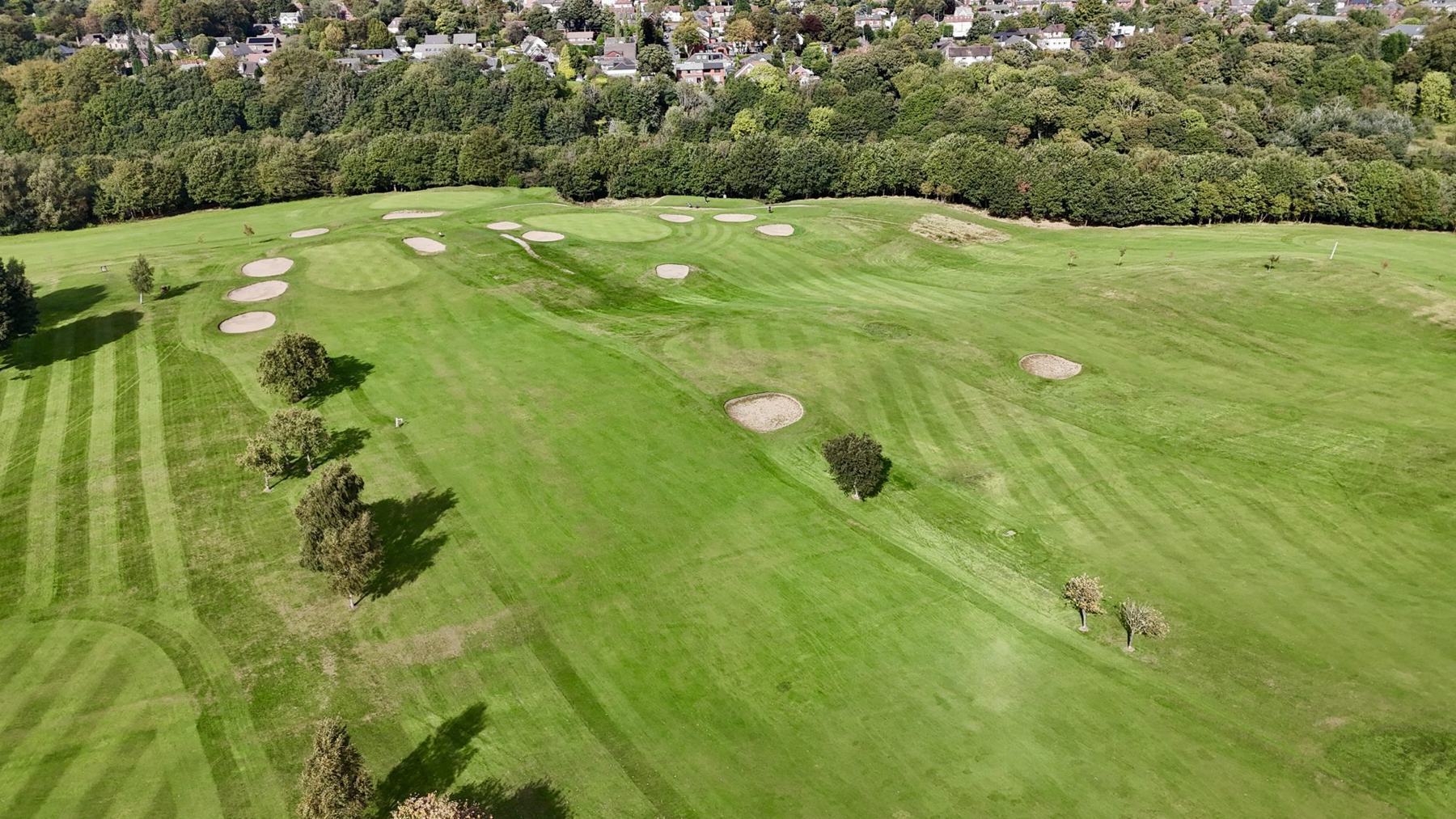
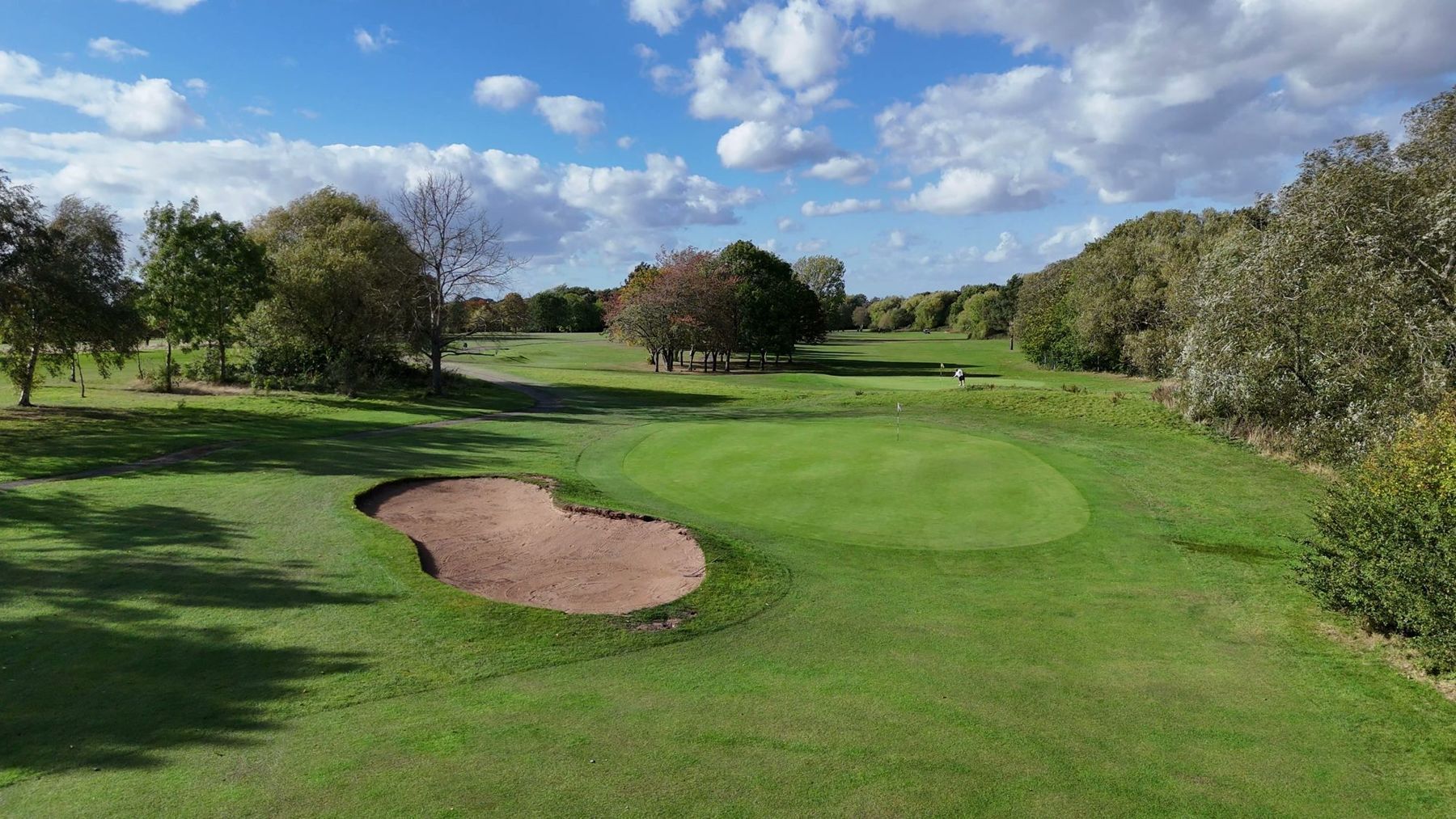
That is why the first thing we do at Link Golf UK when we take on a club is fix the course. The investment in golf course conditions unlocks all the other opportunities at the club.
What struck me most about the conversation yesterday was not the numbers, impressive as they are, but the clarity behind them. They knew what the priority was, they backed it properly and they let everything else follow. Fix the golf course. Build everything else on that foundation. It really is that simple, which is not the same as saying it is easy.