
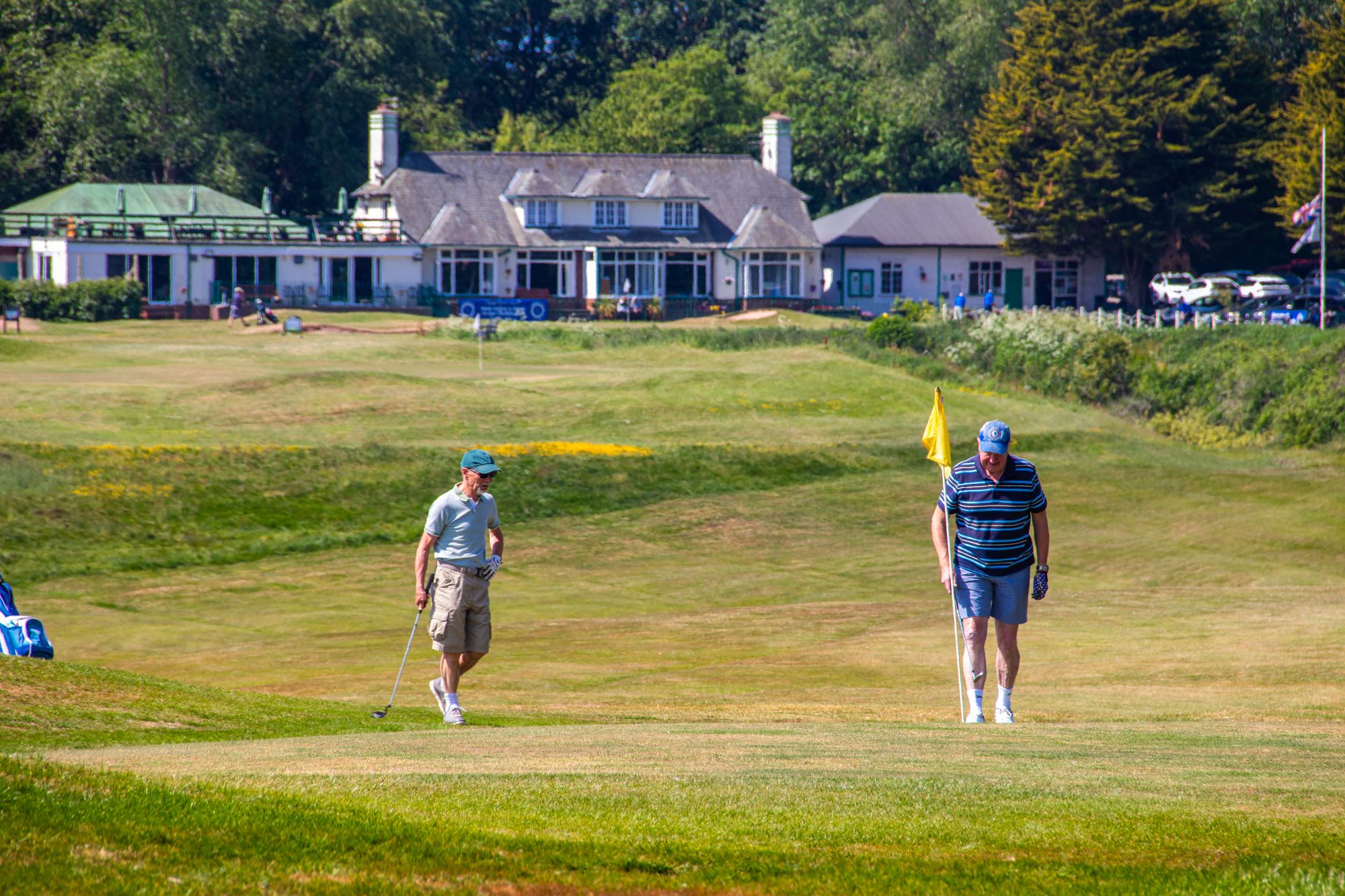
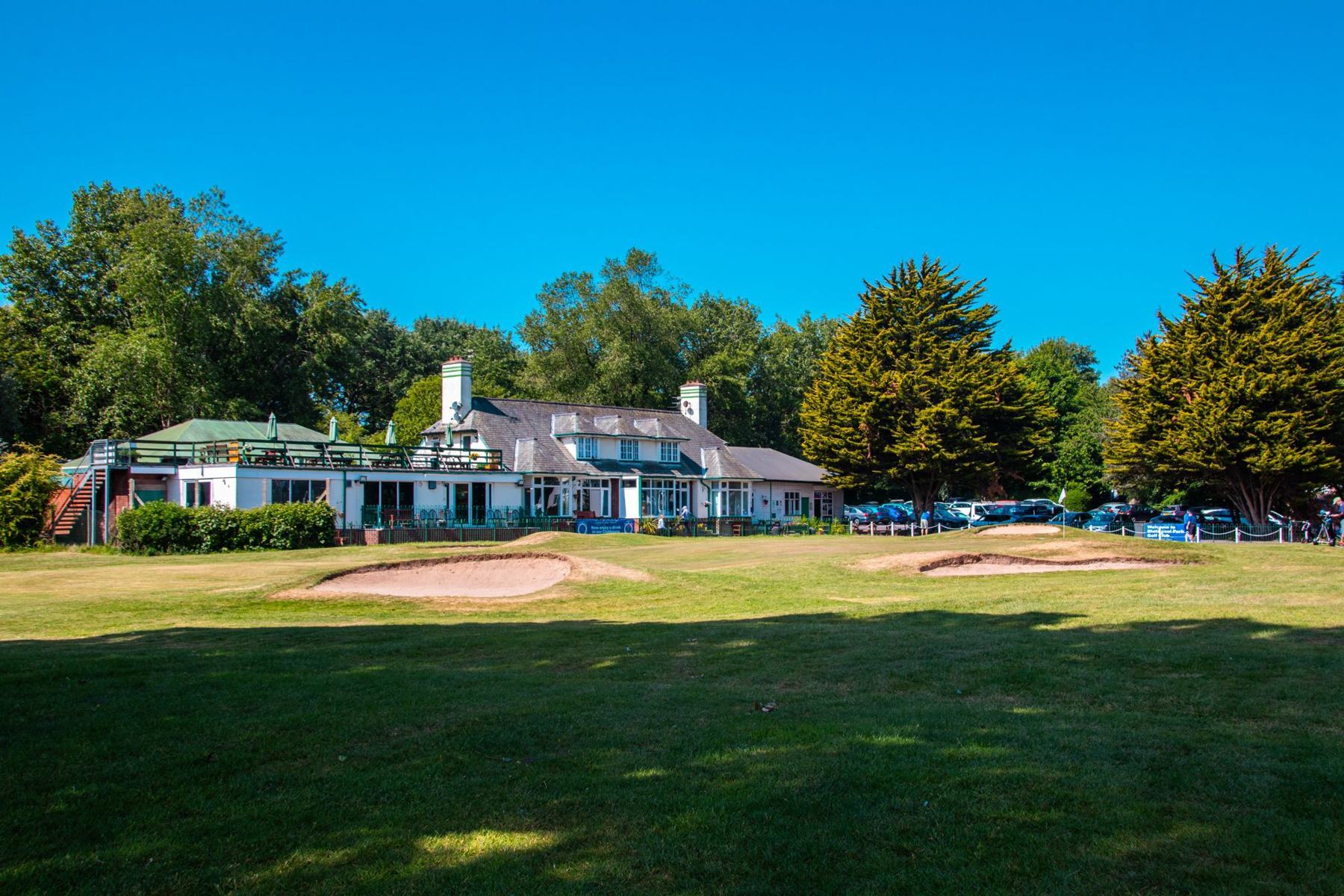
Over the last few years we have built something at Link Golf UK that we're genuinely proud of, a group of municipal pay and play courses that had been underfunded for a long time and are now some of the most improved golf venues in the country, with large capital investment going into every one of them and the results showing up in better courses, busier tee sheets, fuller clubhouses and turnover that has in some cases more than doubled within a year or two of us taking over. Middlesbrough Municipal is probably the best example of that, with £1.4m invested in the first year alone and turnover up from £615k to £1.1m, but the same pattern has played out across the group and it has taught us an awful lot about what it takes to turn a golf venue around properly.
The most valuable thing we have built along the way isn't any single course, it is the infrastructure that sits behind all of them, which covers everything from central greenkeeping management, a proper machinery programme through to group buying power, booking and membership systems, food and beverage operations, a member app with a loyalty scheme, marketing, health and safety, finance and a team of people who know how to run golf venues well day in and day out. That is the kind of backing most golf clubs in this country simply don't have and it is exactly what we now want to put to work somewhere new.
That is why we are launching Link Club, a new arm of the business that takes the operating platform we have built at Link Golf UK and applies it to private members' golf clubs. There are a huge number of private clubs across England with fantastic courses, loyal members and real history behind them that are nonetheless struggling with falling membership, rising costs, ageing machinery, clubhouses that need serious money spending on them and committees of volunteers who are stretched far thinner than anyone should expect them to be. None of those problems are about a lack of passion, they are about a lack of capital and a lack of the professional support that a group operator can bring.
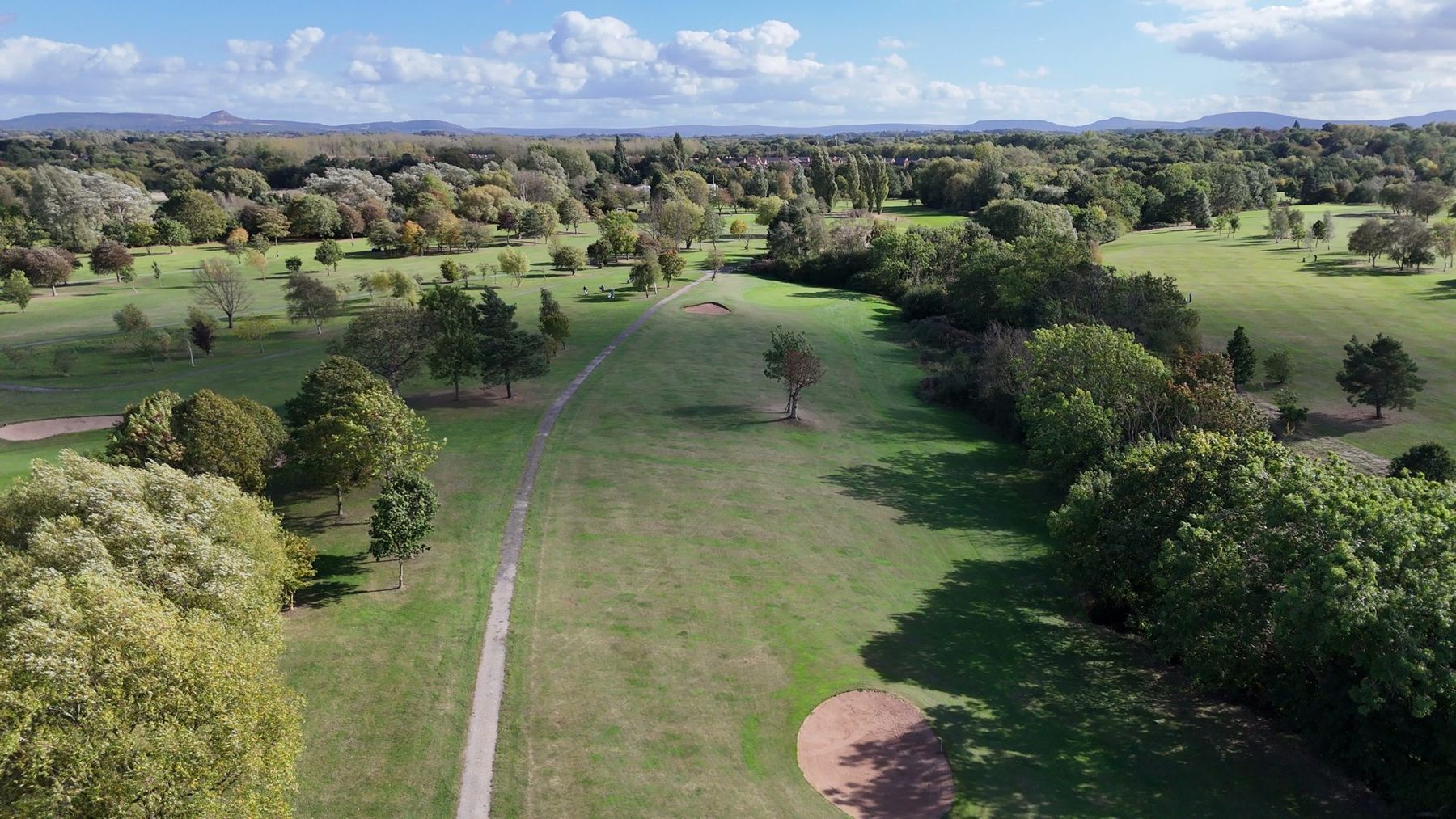
I want to be really clear about one thing from the outset, because it is the first question every board asks me, which is that we are not in the business of turning private members' clubs into municipals. A private club is a private club for a reason and the things that make it special, the membership, the competitions, the traditions, the sense of belonging, are precisely what we want to protect and strengthen. Under the Link Club model the club keeps its freehold, keeps its committee and keeps its identity, while we bring the investment and take on the day to day running of the operation so that the committee can focus on the things that matter most to its members rather than worrying about how to replace a broken tractor or fix a leaking roof.
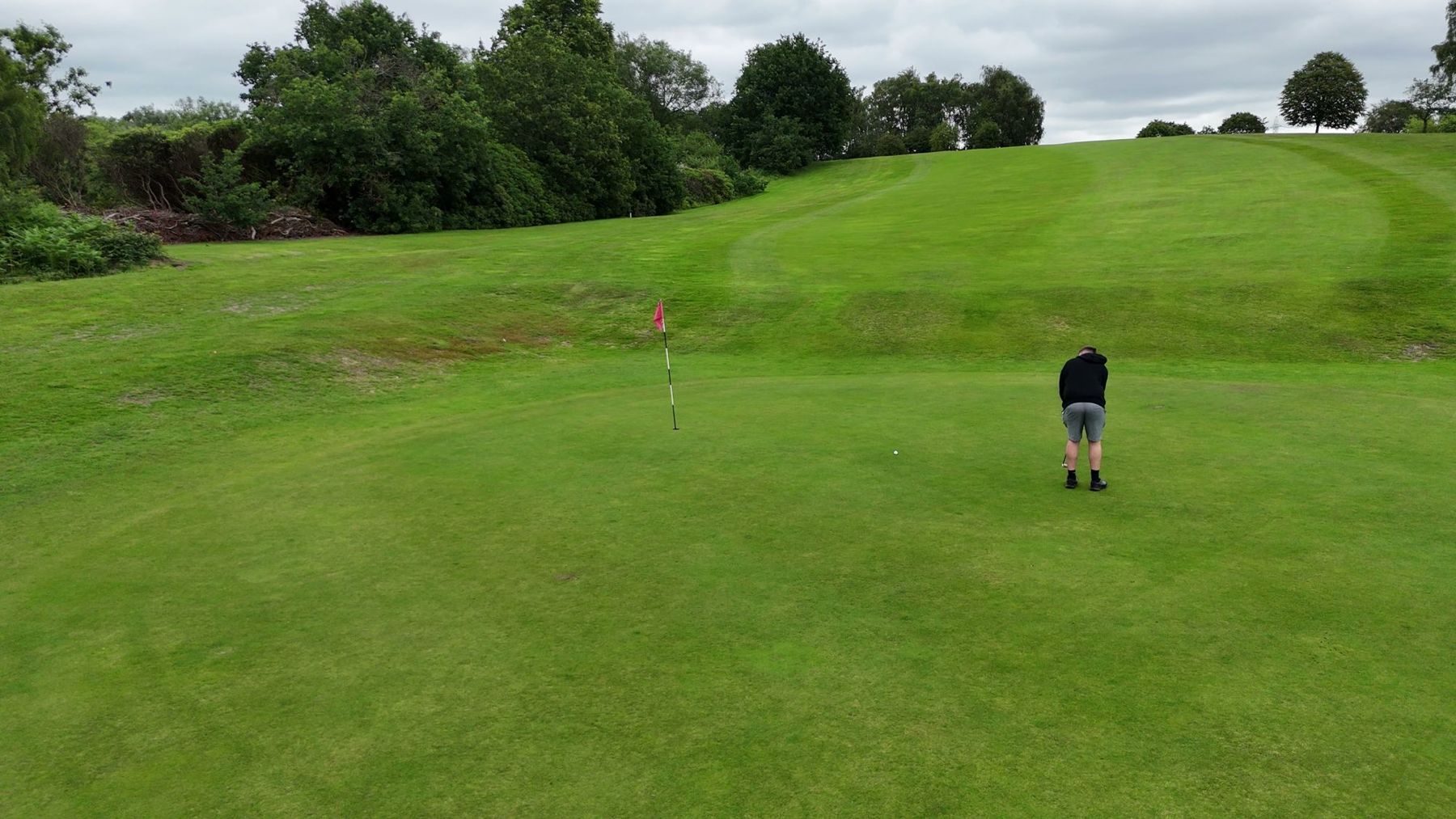
The focus for every Link Club venue will be growing membership and improving course conditions, because in my experience those two things are completely linked and one doesn't happen without the other. Members join and stay at clubs where the course is in great condition all year round, where the clubhouse is somewhere they actually want to spend time and where there are good practice facilities for them to work on their game, so our investment will go into the course first, then into machinery, the clubhouse and practice facilities, all backed by a food offer that runs seven days a week from first thing in the morning until close for members, competitions, team matches and societies alike.

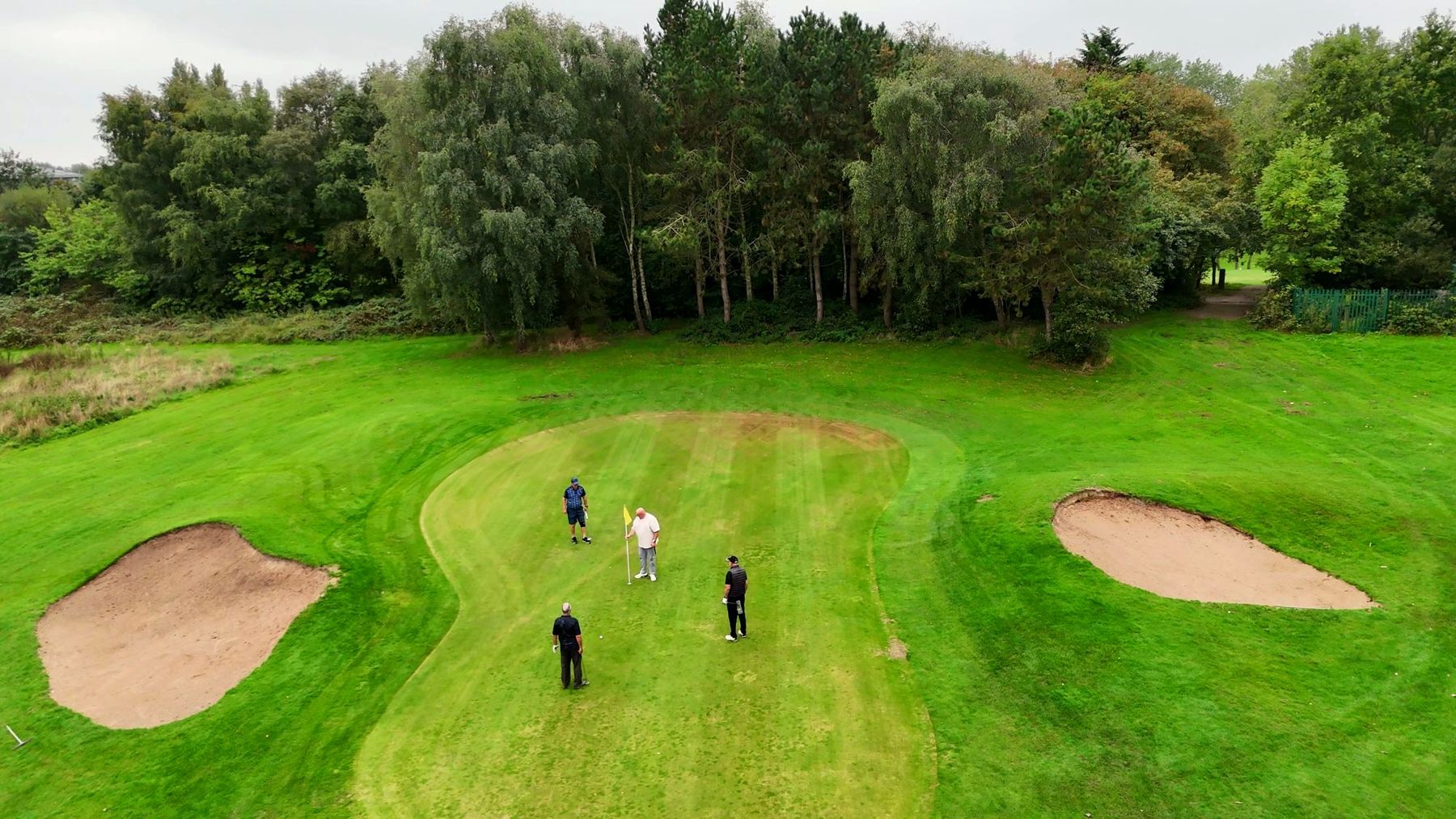
We are starting with a first phase capped at five clubs, which is a deliberate choice because I would much rather do five clubs brilliantly than try to do too many at once and let people down. I am looking forward to being able to announce our first partner clubs very soon, once their members have had the chance to have their say.
If you sit on the board or committee of a private members' club and any of this sounds familiar, I would genuinely welcome a conversation, even if it is just an informal chat about where your club is heading over the next ten years, because the clubs that plan for the future now are the ones that will still be thriving long after the rest have been forced into much harder decisions.